Unpacking the History of Local Folk Dances
Folk dances are an integral part of American culture, reflecting the rich history and diverse heritage of communities across the nation. This article explores the evolution of local folk dances, their significance in preserving traditions, and the role they play in community gatherings.
Understanding the Roots of Folk Dance
Folk dance, often rooted in the cultural practices of a community, typically emerges from the social customs and historical narratives of that region. According to experts in cultural studies, these dances often represent a way for communities to express their identity and heritage. For example, traditional dances such as the Square Dance and Polka have origins that can be traced back to European immigrants who settled in the United States.
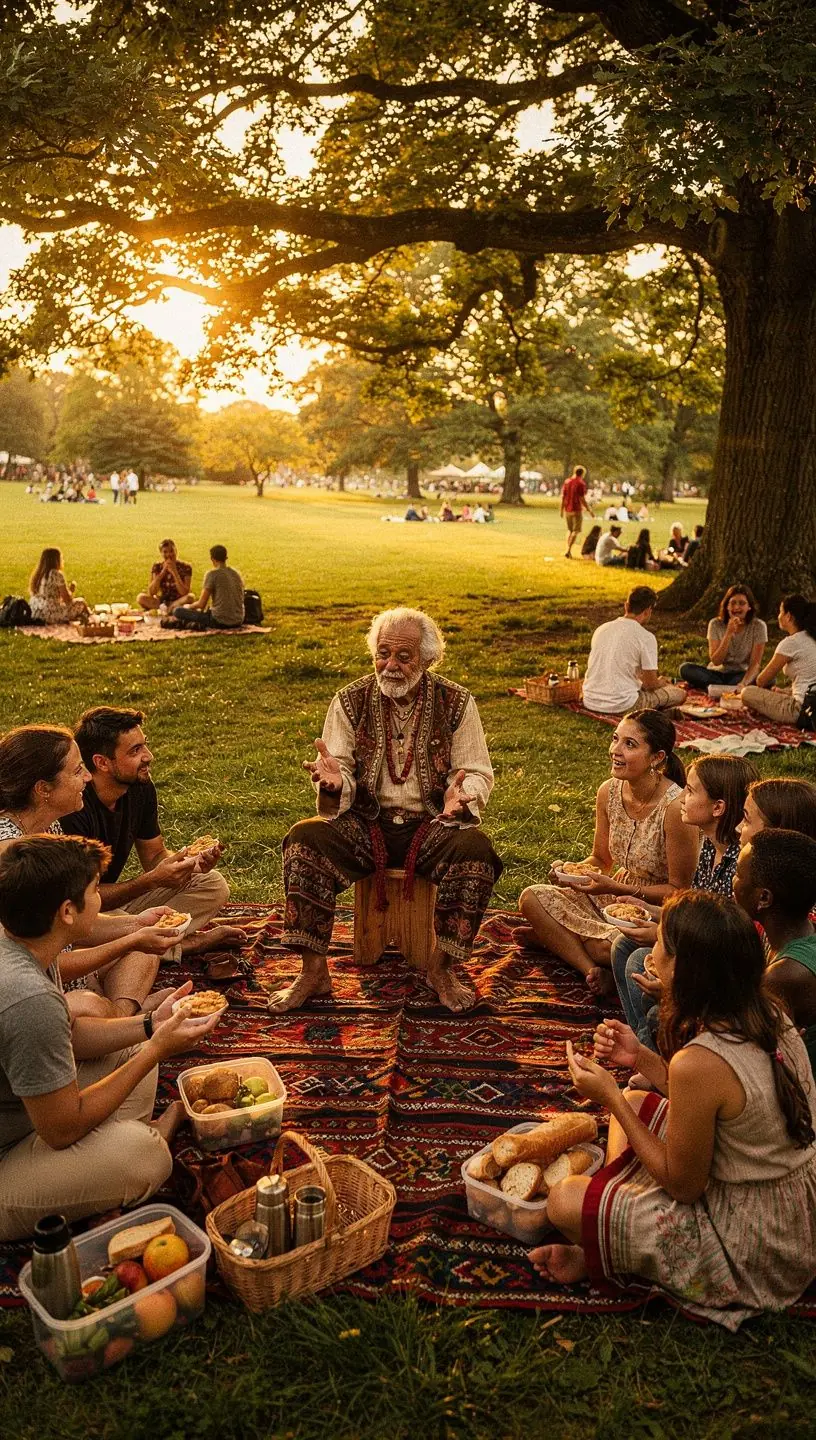
"Folk dance serves as a living archive of a community's history, telling stories of migration, celebration, and social life."
The Evolution of Folk Dances
Historically, folk dances have adapted to the changing social landscape. Many dances that originated in rural settings have made their way into urban spaces, taking on new influences along the way. A study by the American Folklife Center indicates that the revival of folk dancing in the 20th century often coincided with movements that emphasized cultural pride and community solidarity.
Key Influences on Local Folk Dances
- Cultural Exchange: Interactions between different cultural groups often lead to the fusion of dance styles, enriching the local folk dance scene.
- Social Movements: The folk dance revival during the Civil Rights Movement highlighted the importance of inclusivity and cultural representation.
- Technological Advancements: The introduction of recording technology in the mid-20th century allowed for the preservation and dissemination of folk dance traditions, making them accessible to wider audiences.
Community Engagement Through Dance
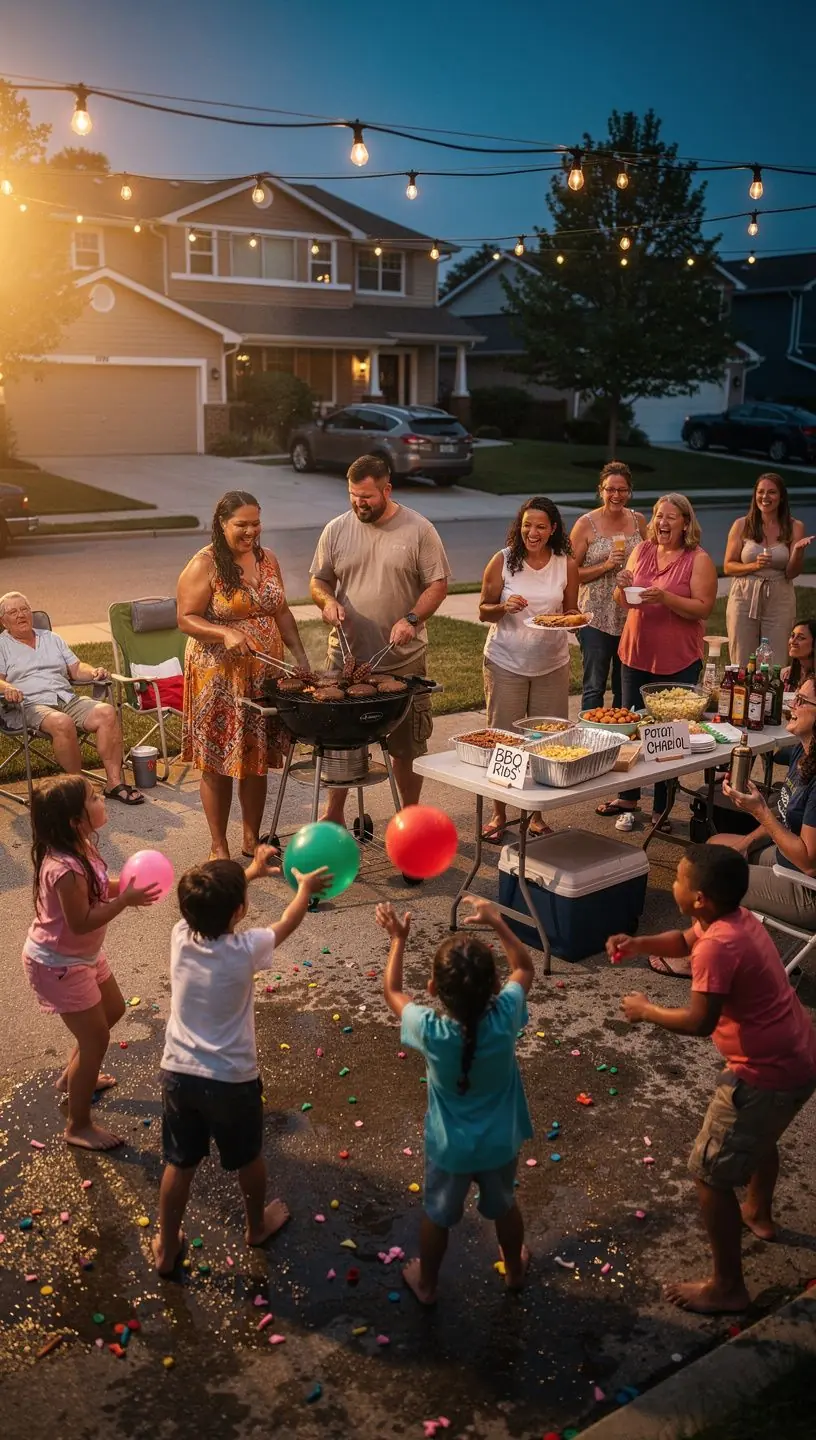
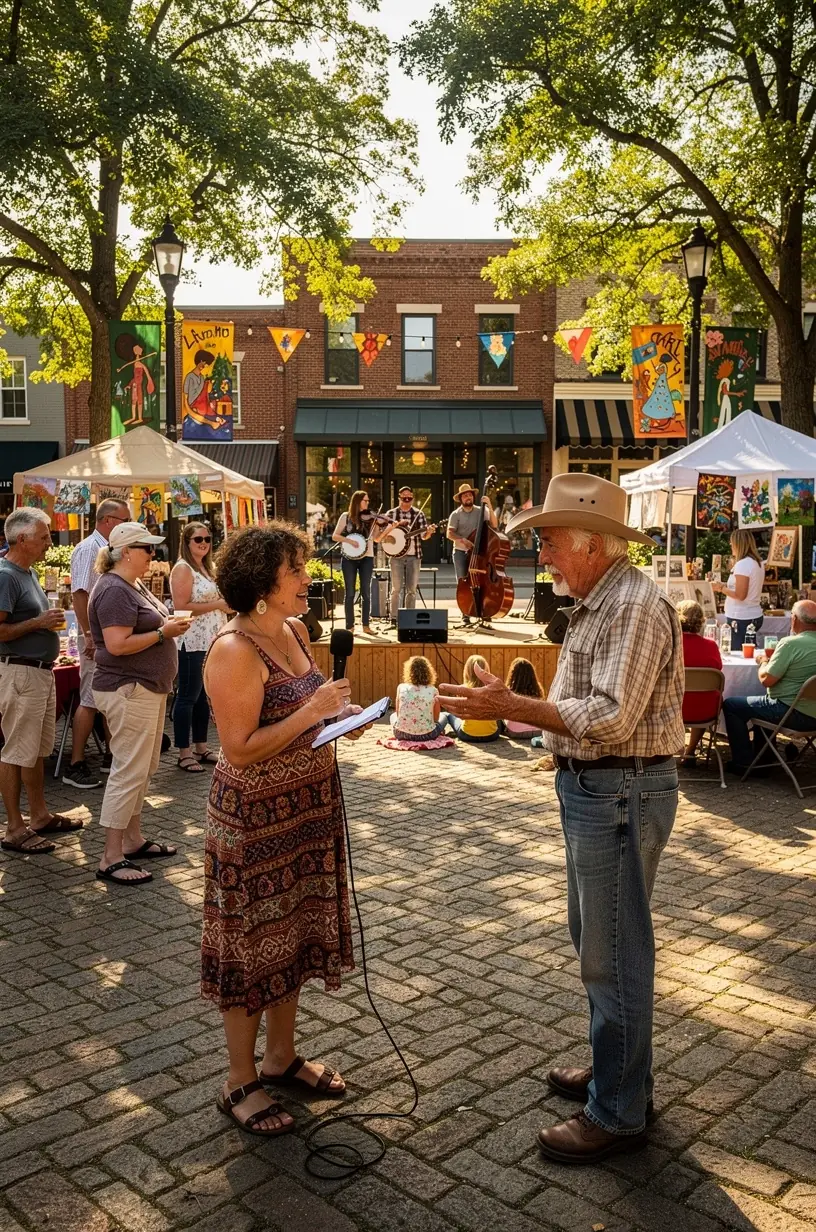
Participating in folk dance is not just about the performance; it often involves community gatherings and events that strengthen social bonds. Many users report that joining a local dance group can foster a sense of belonging and create lasting friendships. Research conducted by the National Endowment for the Arts emphasizes that communal activities like folk dancing can enhance mental well-being and cultural pride.
Getting Involved in Local Folk Dance
If you're interested in exploring local folk dances, consider the following steps:
- Find a Local Group: Look for community centers or cultural organizations that host folk dancing events.
- Attend Workshops: Many organizations offer beginner workshops that provide a gentle introduction to traditional dances.
- Be Open to Learning: Folk dancing involves learning steps and sequences that may take some time. Patience and practice are key.
Conclusion
The history of local folk dances is a testament to the resilience and creativity of communities across the U.S. Engaging in these traditions can provide insight into cultural heritage while fostering connections among participants. While the journey into the world of folk dancing may require time and dedication, the benefits of cultural engagement and community building are profound and rewarding.