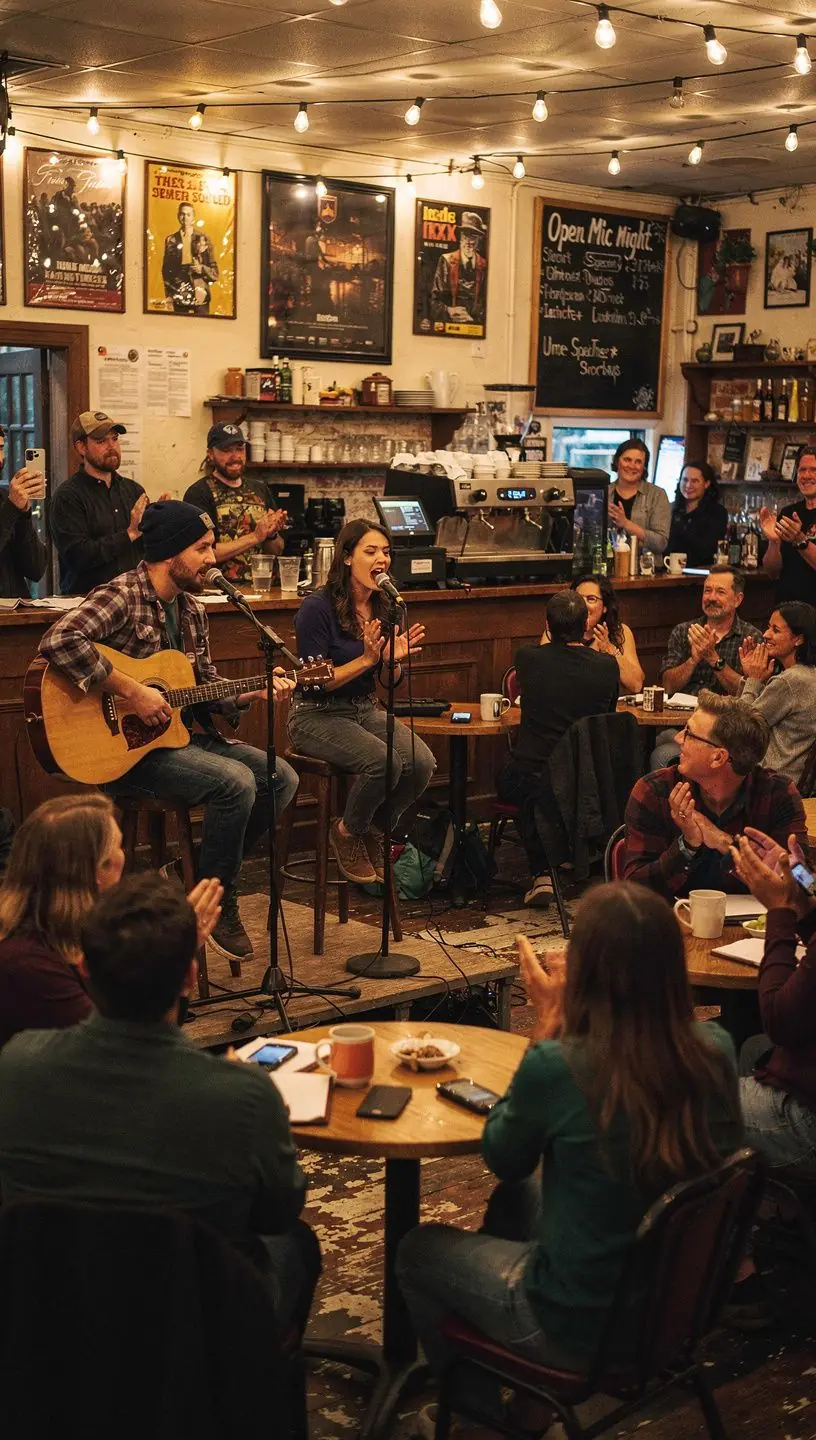
Understanding the Impact of Music on Local Identity
Music plays a crucial role in shaping local identities across communities in the United States. This article explores how music influences cultural identity, fosters community connections, and creates a sense of belonging among residents.
The Cultural Significance of Music
Music has long been a fundamental aspect of human culture, serving as a medium for storytelling, emotional expression, and social bonding. According to research by the National Endowment for the Arts, music can often enhance cultural engagement and community participation. In many cases, musical traditions reflect the history and values of a community, providing a sense of continuity and belonging.
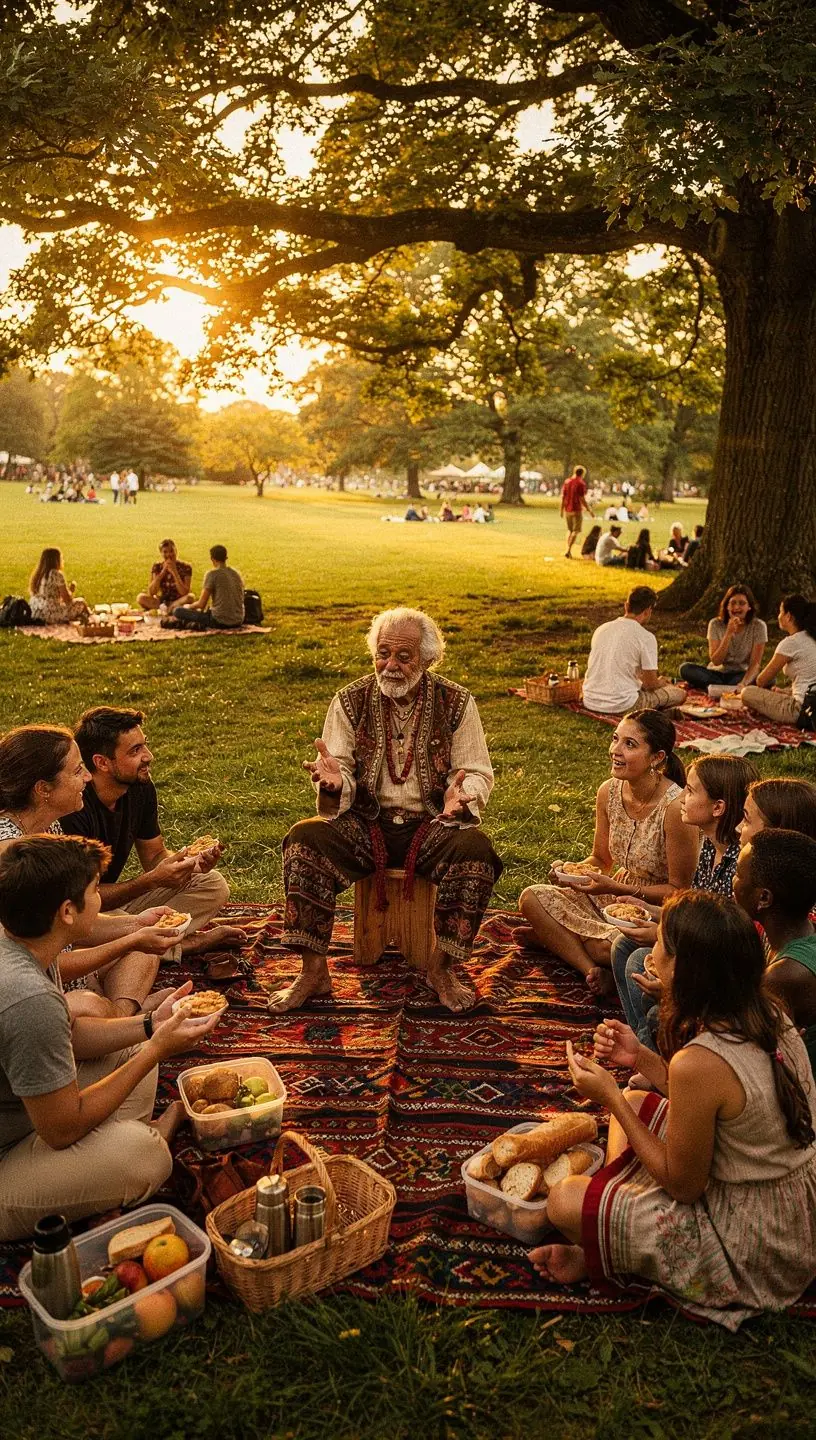
"Music is a universal language that transcends barriers, allowing people to connect and share experiences." - Dr. Sarah Thompson, Cultural Anthropologist
How Music Shapes Local Identity
The influence of music on local identity can be attributed to several factors:
- Historical Context: Many communities have unique musical traditions that reflect their historical journeys. For example, Blues music in the Southern US is intertwined with African American history and has significantly influenced local culture.
- Community Events: Local music festivals and gatherings foster community pride and participation. Studies show that events featuring local musicians can increase community cohesion and engagement among attendees.
- Social Identity: Music can serve as a form of social identity, helping individuals identify with a larger cultural narrative. This connection is often reinforced through shared experiences at concerts and performances.
The Role of Community Clubs and Gatherings
Community clubs that focus on music provide platforms for residents to engage with their local culture. These clubs often host events that celebrate regional musical styles, encouraging participation and fostering local pride. In most cases, joining a community music group can lead to a greater understanding of local traditions and enhance connections among members.
Challenges and Considerations
While music has a profound impact on local identity, there are challenges that communities face:
- Access to Resources: Many smaller communities may lack access to funding or venues needed to support musical initiatives.
- Intergenerational Gaps: In some cases, younger generations may gravitate towards global music trends, potentially overshadowing local musical traditions.
- Inclusivity: Ensuring that music events are accessible and inclusive is crucial for fostering a diverse community identity.
Conclusion
Understanding the impact of music on local identity is essential for appreciating the cultural richness of communities across the US. Although challenges exist, fostering musical traditions can enhance community ties and strengthen local identity. By participating in local music events and supporting grassroots initiatives, individuals can contribute to a vibrant cultural landscape that reflects their shared heritage.