The Evolution of Traditional Cooking in American Communities
The culinary landscape of America is a rich tapestry woven from the diverse cultural threads of its communities. Understanding the evolution of traditional cooking reveals not only how food is prepared but also how cultural identity and community values are expressed. This article explores the transformation of traditional cooking practices across American communities, focusing on significant influences and trends.
Cultural Influences on American Cuisine
Traditional cooking in the United States is shaped by a multitude of cultural influences. According to research by the Smithsonian Institution, the blending of Indigenous, European, African, and Asian culinary traditions has created a unique food culture that reflects America’s diverse heritage. For example, the incorporation of spices and techniques from African and Asian cuisines into Southern cooking is a testament to this cultural fusion.
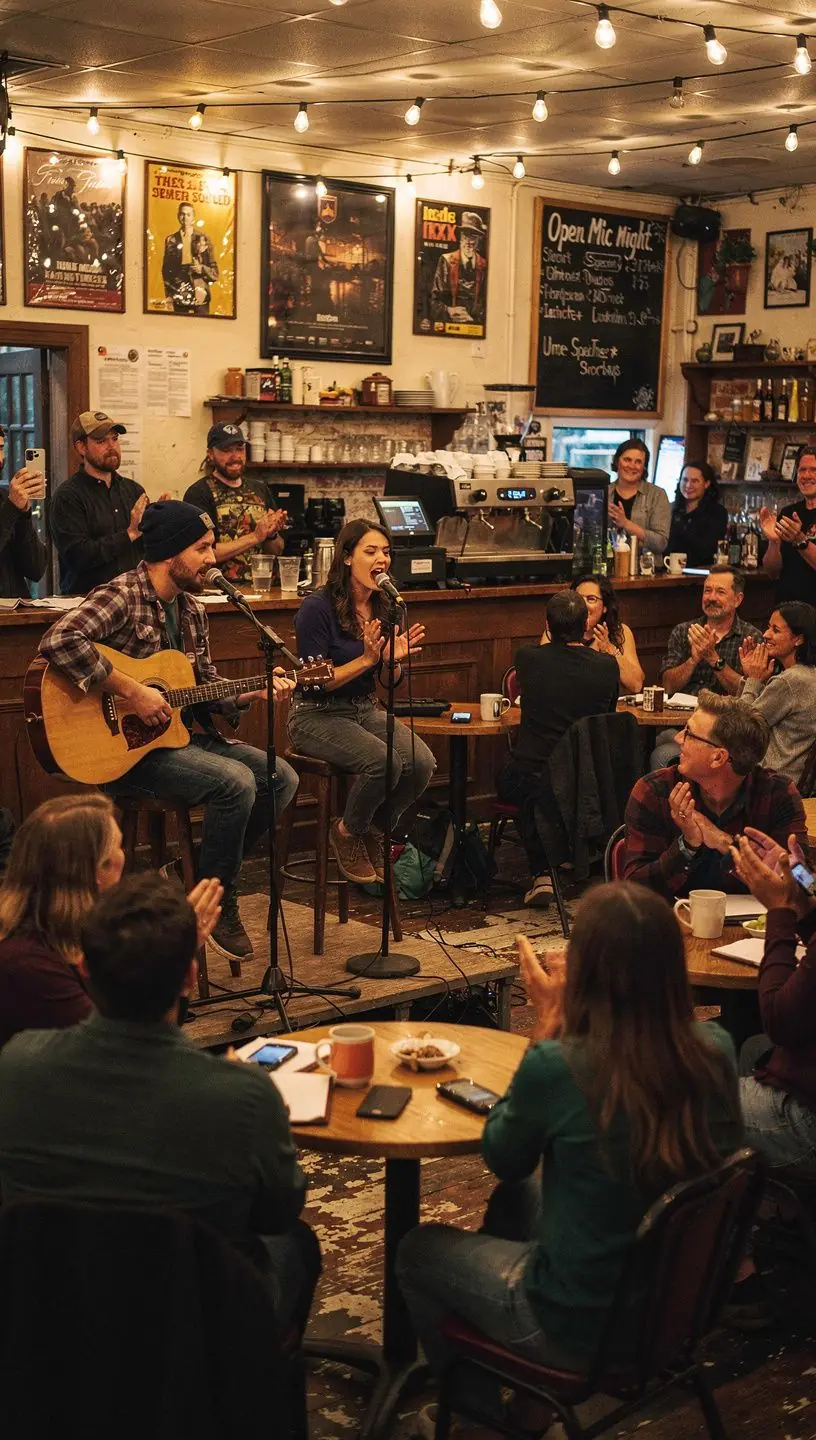
"Food is a reflection of culture, and the way we cook tells a story of who we are as a community." - Culinary Historians of America
Changing Trends in Traditional Cooking
Over the past few decades, traditional cooking has undergone significant changes, influenced by globalization and technological advancements. Many families are now incorporating modern cooking methods while still adhering to traditional recipes. A study published in the Journal of Food Science indicates that the use of digital platforms for recipe sharing has increased by over 50% since 2015, leading to a resurgence of interest in heritage cooking.
Modern Adaptations of Traditional Dishes
Many cooks are adapting traditional recipes to fit contemporary tastes while maintaining the essence of the original dish. For instance:
- Healthier Ingredients: Traditional recipes are often modified to include more whole grains and fresh vegetables, catering to health-conscious consumers.
- Fusion Cuisine: The blending of various culinary styles has led to creative dishes that honor traditional flavors while incorporating new techniques.
- Seasonal and Local Sourcing: Many communities encourage cooking with locally sourced ingredients, which not only supports local farmers but also promotes sustainability.
Community and Tradition
Community gatherings, such as potlucks and food festivals, play a crucial role in preserving and promoting traditional cooking. These events often serve as platforms for sharing recipes and fostering connections among community members. Research indicates that participating in communal cooking activities can enhance social bonds and promote cultural continuity.
Challenges to Traditional Practices
While there is a growing interest in traditional cooking, many communities face challenges that affect their culinary heritage. These include:
- Loss of Knowledge: As generations pass, traditional cooking techniques may not be passed down, leading to a decline in authentic practices.
- Urbanization: As more people move to urban areas, access to traditional ingredients and cooking spaces may diminish.
- Changing Lifestyles: Busy lifestyles often lead to a preference for convenience over traditional cooking methods.
Conclusion
The evolution of traditional cooking in American communities is a dynamic process influenced by cultural exchange, modernization, and community engagement. By acknowledging and celebrating these culinary traditions, we can help ensure their survival for future generations. As communities continue to adapt their culinary practices while honoring the past, traditional cooking remains a vital expression of cultural identity.
Learn More