How Volunteerism Enhances Community Bonds
Volunteerism plays an integral role in fostering strong community bonds. Engaging in communal efforts helps individuals forge connections, boost social networks, and develop a sense of belonging. This article explores the multifaceted benefits of volunteerism and how it contributes to enriching community life.
Understanding the Basics of Volunteerism
Volunteerism, at its core, involves the commitment of time and energy for the benefit of others without financial gain. According to research by the Corporation for National and Community Service, approximately 30% of Americans engage in some form of volunteer work each year. This participation is not only essential for non-profit organizations but also plays a critical role in enhancing social cohesion.
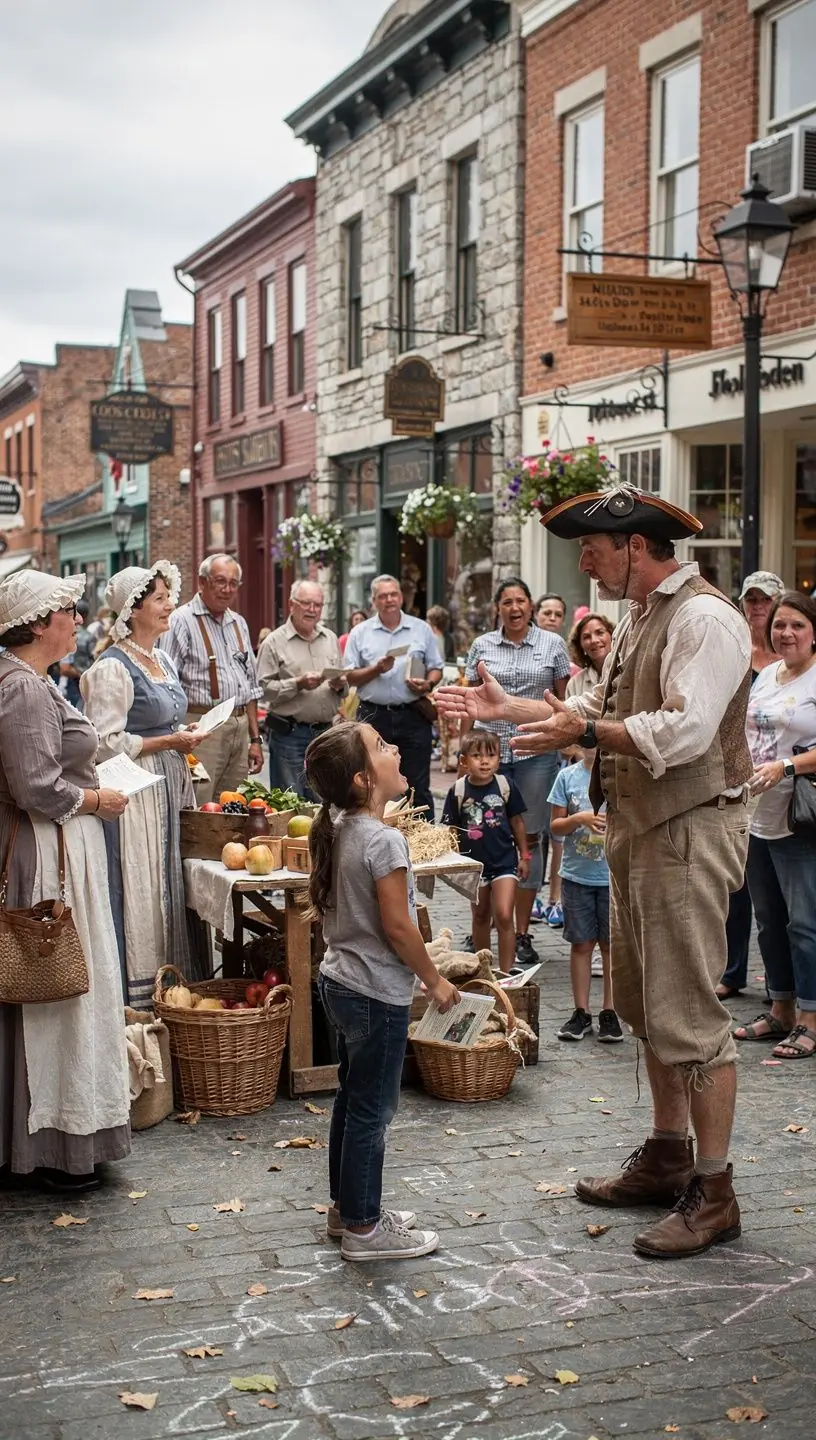
"Volunteering fosters a sense of community and belonging, which can lead to stronger social ties and increased civic engagement." - National Conference on Citizenship
The Impact of Volunteerism on Community Bonds
Many users report that engaging in volunteer work helps build relationships that might not otherwise develop in a more disconnected society. Here are several key ways volunteerism enhances community bonds:
- Shared Experiences: Participating in group activities or projects creates a platform for individuals to connect over common goals. Research indicates that shared experiences can significantly strengthen interpersonal relationships.
- Increased Trust: Volunteerism fosters trust among community members. According to studies by the Points of Light Foundation, communities with higher volunteer rates often exhibit lower crime rates and increased safety perceptions.
- Networking Opportunities: Engaging in volunteer work often leads to networking opportunities that benefit individuals personally and professionally. Many experts recommend volunteering as an effective way to meet new people and build valuable connections.
Challenges and Commitments of Volunteerism
While the benefits of volunteerism are substantial, it’s important to acknowledge some challenges. Volunteering typically requires time and dedication, which can vary significantly based on the type of work and the organization involved. Most volunteer commitments require a consistent time investment, which may take weeks or even months to yield noticeable benefits in community engagement.
Steps to Get Involved
If you're interested in enhancing your community bonds through volunteerism, consider the following steps:
- Identify Your Interests: Assess what causes resonate with you. Many organizations focus on areas like education, health, environment, and social justice.
- Research Opportunities: Look for local community centers, non-profits, or clubs that align with your interests. Many sites provide listings of volunteer opportunities, helping you find a fit that suits your schedule.
- Make a Commitment: Start small – commit to a few hours a week or a monthly event. This gradual approach allows you to gauge your interest and availability.
Conclusion
Volunteerism is a powerful tool for enhancing community bonds. By engaging in shared experiences, fostering trust, and creating networking opportunities, individuals can contribute meaningfully to their communities. While time commitments and challenges may arise, the rewards of volunteerism often outweigh the efforts. Embracing this communal spirit can lead to a more connected and resilient society.