How to Start a Book Club Focused on Local Writers
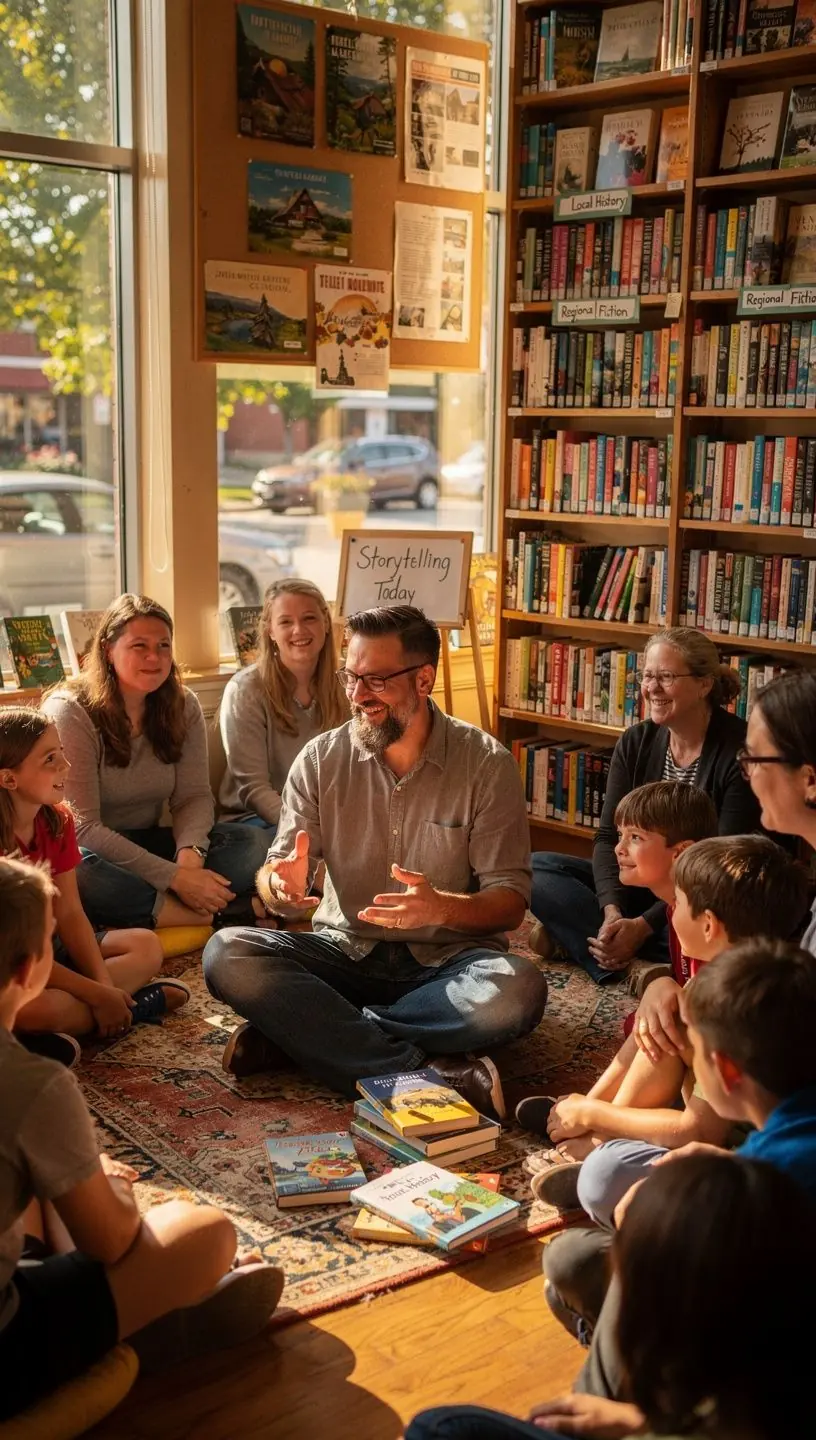
Starting a book club that highlights local writers is an enriching way to foster community engagement, support local talent, and discover diverse narratives. This guide will provide you with practical steps and insights on how to set up a successful book club.
Understanding the Basics
Starting a book club focused on local writers can be a rewarding endeavor. According to research conducted by the American Association of University Professors, local literary circles can improve community cohesion and provide a platform for lesser-known authors. Many book clubs often focus on popular literature, but recognizing local talent can offer fresh perspectives and build deeper connections within your community.
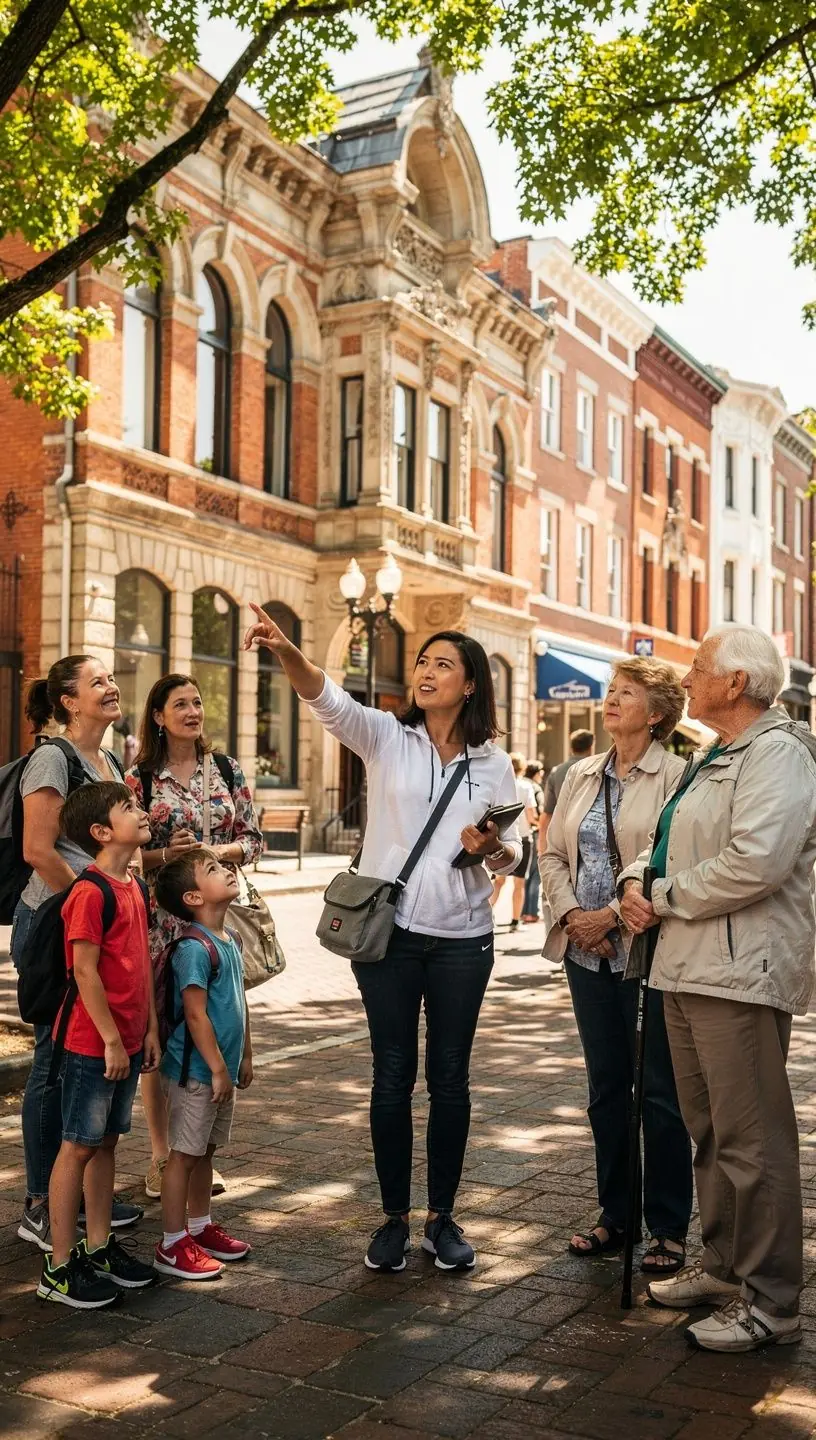
"Engaging with local authors not only supports them but also enriches the reading experience by connecting stories with local culture." - Community Literature Expert
Step-by-Step Guide to Starting Your Book Club
- Define Your Purpose: Determine the primary goal of your book club. Are you focusing on unpublished authors, genres that reflect local culture, or a mix? Clear objectives can help guide your selections and discussions.
- Gather Your Members: Typically, a group of 5-12 participants is ideal for fostering discussion. Use social media platforms or community bulletin boards to invite interested readers. Experts suggest that having a diverse group can enhance discussions, as different perspectives often lead to richer interpretations.
- Select Your First Book: Choose a book by a local author that has received positive reviews or has been recommended by members. Research shows that starting with something familiar can ease new members into the group dynamics.
- Set a Regular Meeting Schedule: Decide how often you want to meet—monthly is common, but bi-weekly gatherings can work if your group is enthusiastic. Setting a consistent schedule helps build anticipation and commitment.
- Create Discussion Guidelines: Establish ground rules for discussions to ensure everyone feels comfortable sharing their thoughts. This may include respecting differing opinions and staying on topic. Many clubs find it effective to have a facilitator for each meeting to guide the discussion.
Promoting Local Authors
Engaging with local writers should extend beyond just reading their works. Consider inviting authors for Q&A sessions or virtual meet-and-greets. According to industry experts, author interactions can enhance the reading experience, providing insights into their writing processes and inspirations.
Potential Challenges and Solutions
While starting a book club can be exciting, it's important to acknowledge some common challenges. For example, coordinating schedules can be difficult. Typically, solutions like using a shared calendar or poll can help find suitable meeting times for everyone. Additionally, some members may have varying levels of commitment. It can be helpful to create a welcoming environment that encourages participation without discouraging those who may miss a meeting.
Conclusion
Creating a book club focused on local writers is a meaningful way to engage with your community and support its literary talent. By following these steps and being open to the potential challenges, you can foster a group that not only enjoys reading but also celebrates the stories that reflect your unique culture. Remember, the journey of building a thriving book club typically involves patience and dedication, but the rewards are often worth the effort.
Learn More