Exploring the Significance of Community Festivals
Community festivals are more than just gatherings; they represent the cultural heartbeat of local areas. This article delves into their significance, exploring how they foster connection, celebrate traditions, and stimulate local economies.
Understanding Community Festivals
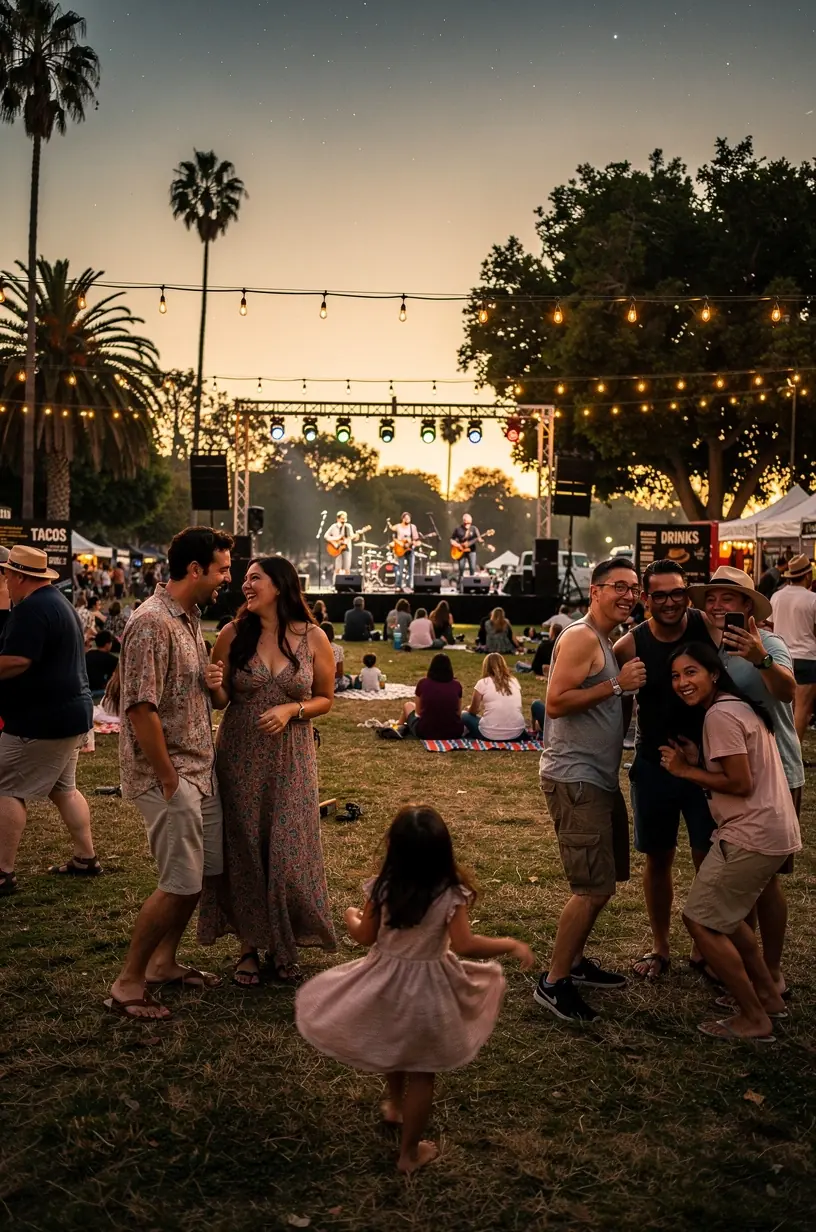
Community festivals, often organized annually, are events designed to celebrate local culture, arts, and traditions. According to the National Endowment for the Arts, such gatherings can enhance community spirit and social cohesion. They often feature music, food, and crafts that reflect the unique cultural heritage of a region.
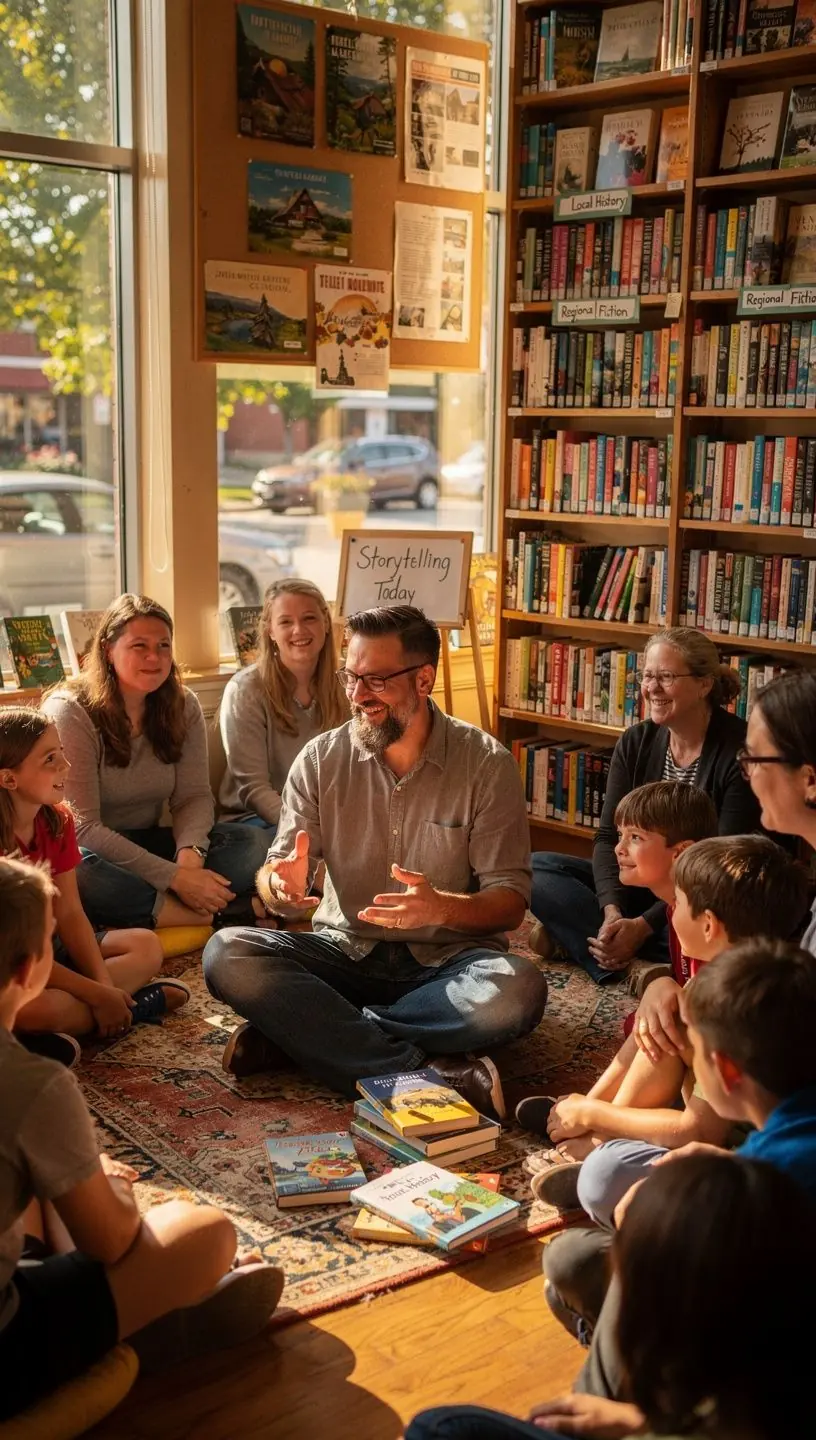
"Community festivals act as a platform for expression, bringing together diverse groups and fostering unity through shared experiences."
The Importance of Cultural Expression
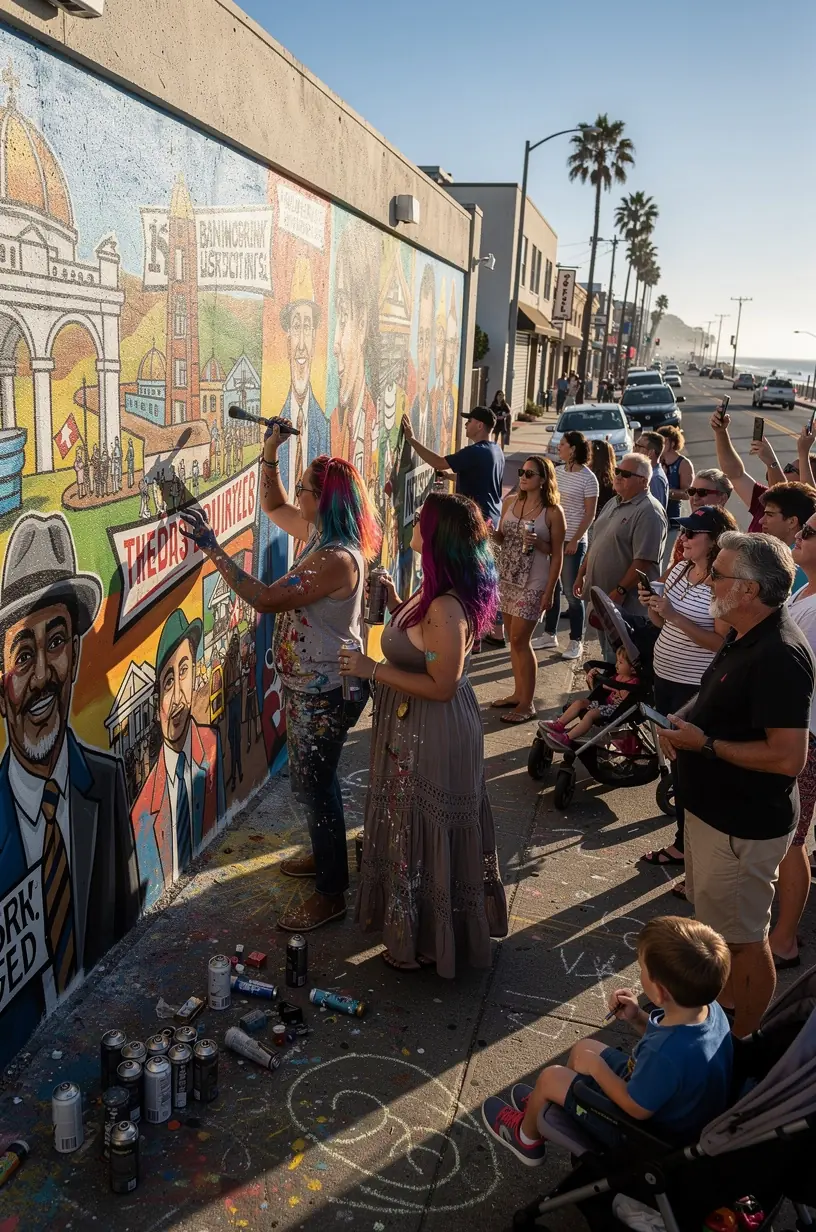
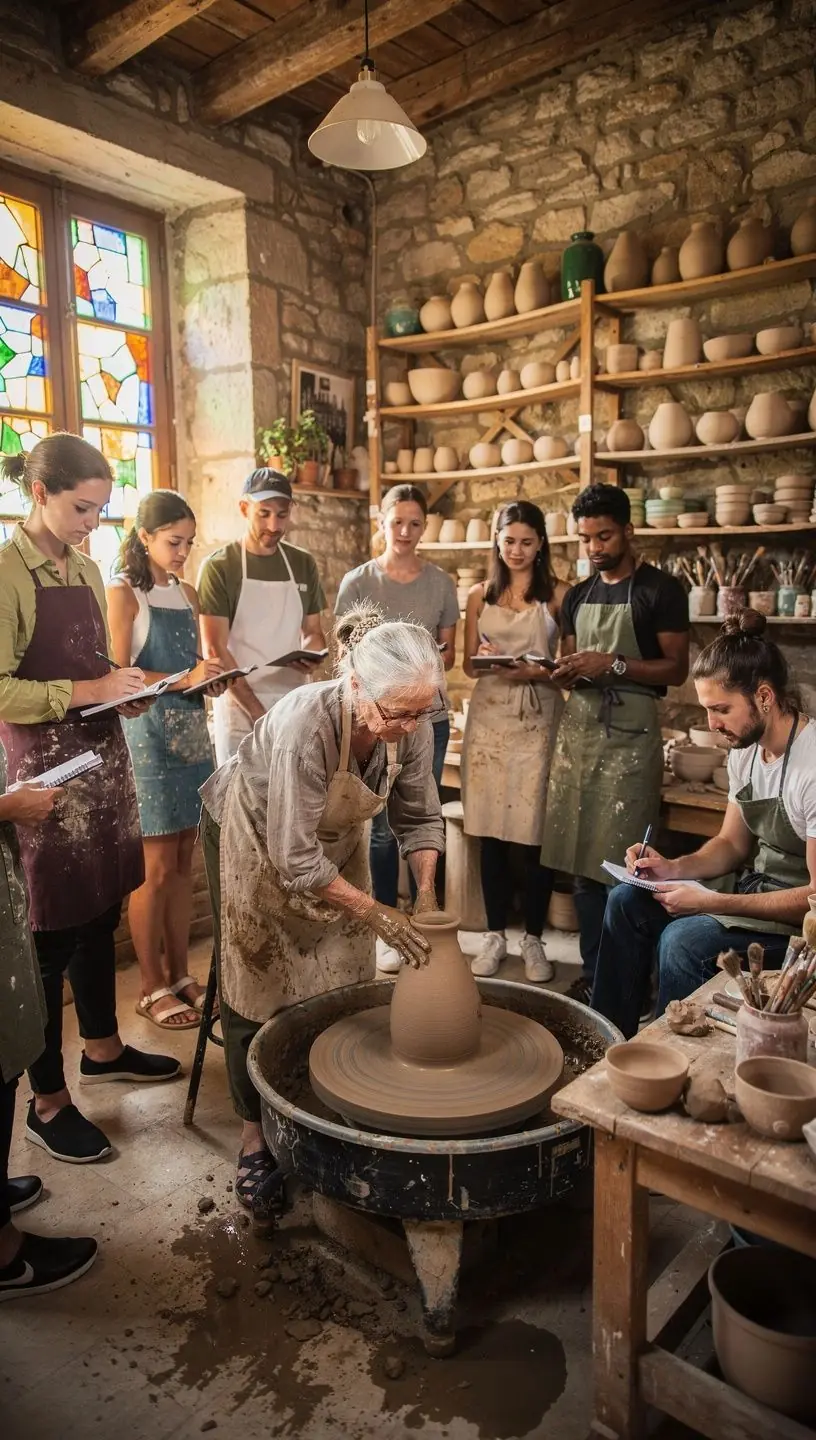
These festivals provide a space for cultural expression, allowing local artists and performers to showcase their talents. Many locals report feeling a sense of pride and belonging during these events. Experts recommend that participation in community festivals can enhance community identity and support the preservation of local traditions.
How Festivals Benefit Communities
- Strengthening Community Bonds: Festivals encourage interaction among residents, helping to build lasting relationships.
- Economic Boost: Research indicates that local festivals can stimulate economic activity. A study by the American Planning Association found that festivals can contribute significantly to local businesses by drawing in visitors.
- Opportunities for Engagement: These events often feature volunteer opportunities, providing residents a chance to actively engage in their community. This involvement helps cultivate a sense of ownership and responsibility.
Challenges of Organizing Festivals
While community festivals offer numerous benefits, they also come with challenges. Organizing such events typically requires extensive planning, volunteer coordination, and financial resources. According to event management experts, successful festivals often require a commitment of at least 3-6 months for adequate preparation. This includes securing permits, managing logistics, and marketing the event.
What to Consider When Planning a Festival
- Community Involvement: Engaging local residents is crucial. Surveys and community meetings can help gauge interest and gather ideas.
- Budgeting: Understanding the financial implications is essential. Many festivals rely on sponsorships, donations, and ticket sales to cover costs.
- Logistics and Safety: Ensuring the safety of attendees is paramount. Organizers should work closely with local law enforcement and emergency services to create a safety plan.
Conclusion
Community festivals play a vital role in promoting local culture and fostering connections among residents. While organizing such events can be challenging, the potential benefits—ranging from strengthened community ties to economic stimulation—make the effort worthwhile. As communities across the US continue to celebrate their unique identities through festivals, the richness of cultural diversity within local areas will only deepen.
Learn More