A Guide to Participating in Farmers' Markets
Farmers' markets offer a unique opportunity to connect with local farmers, artisans, and your community. Participating in these markets can provide access to fresh produce, handmade goods, and a vibrant community atmosphere. This guide will explore how to effectively engage in farmers' markets, highlighting key insights and practical tips.
Understanding the Basics
Farmers' markets are typically organized gatherings where local producers sell their goods directly to consumers. According to the U.S. Department of Agriculture (USDA), there are over 8,000 farmers' markets across the United States, providing a platform for small-scale farmers to reach customers, promote local agriculture, and foster community engagement. Many consumers appreciate the opportunity to buy fresh, locally-sourced food, which can support sustainability efforts.

"Farmers' markets not only build community connections but also encourage healthy eating habits by providing access to fresh produce." - USDA Report
Benefits of Participating in Farmers' Markets
- Access to Fresh Produce: Many users report that shopping at farmers' markets allows them to purchase products that are often fresher than those found in supermarkets, as they are typically harvested just days before being sold.
- Support Local Economy: Supporting local farmers helps keep your community vibrant and sustainable. Research indicates that money spent at farmers' markets tends to circulate within the local economy, benefiting other businesses.
- Community Engagement: Farmers' markets often serve as community hubs where people can meet, share ideas, and participate in local events. Engaging with local vendors can lead to friendships and a stronger sense of community.
How to Prepare for Your Visit
To make the most of your farmers' market experience, consider the following preparatory steps:
- Research Local Markets: Identify farmers' markets in your area and check their hours of operation. Websites like LocalHarvest.org can help you find nearby markets.
- Bring Reusable Bags: Many vendors appreciate customers who bring their own bags. This reduces waste and shows a commitment to sustainability.
- Arrive Early: Arriving shortly after the market opens can give you access to the best selection of fresh goods. According to experts, peak availability occurs in the early hours.
What to Expect at the Market
When visiting a farmers' market, you can typically expect a lively atmosphere filled with a variety of vendors. It’s common to find:
- Fresh Produce: Seasonal fruits and vegetables harvested within days of your visit.
- Artisan Goods: Handcrafted items, including bread, cheese, and jams, often made using traditional methods.
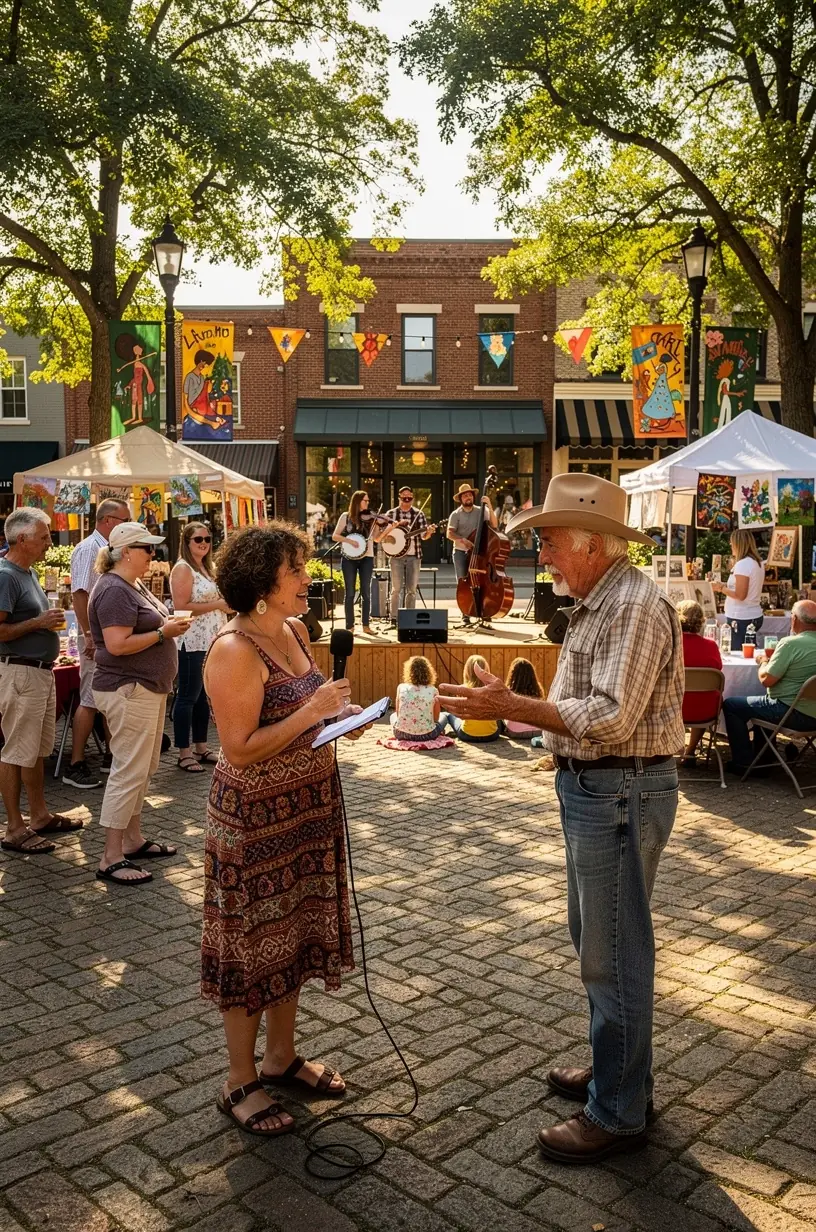
- Live Music and Events: Many markets feature local musicians or activities for families, adding to the vibrant community feel.
Acknowledging Limitations
While farmers' markets offer numerous benefits, it’s important to acknowledge certain limitations. For instance, product variety may vary week to week depending on the season and local harvest. Additionally, prices can be higher than those in larger grocery chains due to the small-scale nature of the producers. In most cases, budgeting for these purchases is advisable if you plan to shop regularly.
Conclusion
Participating in farmers' markets can be a rewarding experience that promotes healthy eating and supports local businesses. By preparing beforehand and understanding what to expect, you can engage meaningfully with your community while enjoying fresh, seasonal produce. Remember, the benefits of shopping at farmers' markets extend beyond the food; they contribute to building a more sustainable and connected community.
Learn More