Tips for Documenting Local Cultural Events
Capture the essence of local cultural events with these practical tips that can help you document and preserve your community's unique traditions and gatherings.
Understanding the Importance of Documentation
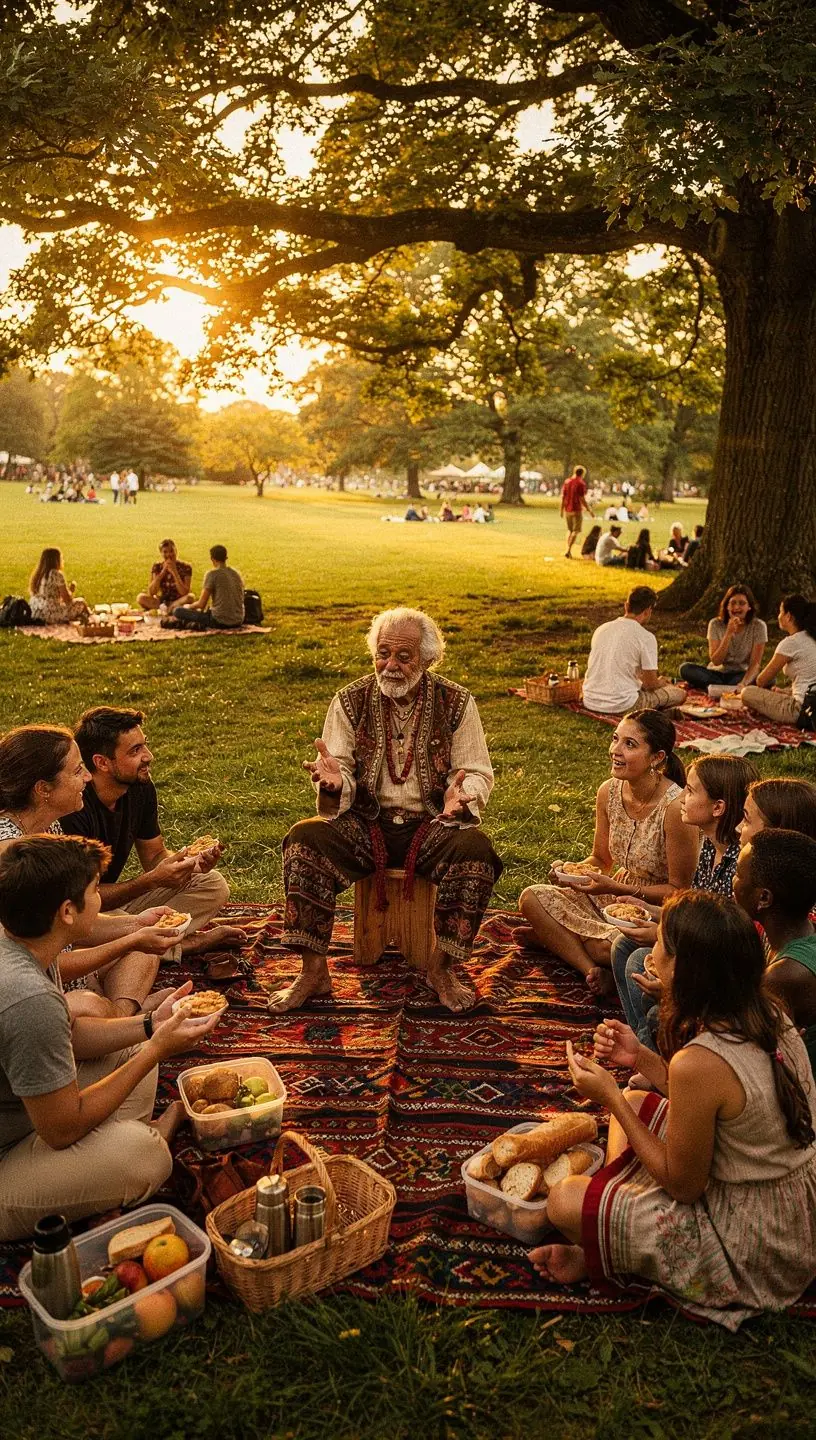
Documenting local cultural events is essential for preserving history and fostering a sense of community. Many experts in cultural studies suggest that maintaining records of such events can enhance community engagement and historical awareness. By documenting these events, you contribute to a collective memory that future generations can draw upon.
"Cultural documentation is not just about recording; it's about storytelling and legacy." - Cultural Studies Expert
Preparation is Key
Before attending an event, take the time to plan your approach. Here are some effective strategies:
- Research the Event: Understanding the background and significance of the event can greatly enhance your documentation. According to cultural historians, having context about the traditions and practices involved allows for richer narratives.
- Gather Necessary Equipment: Use reliable technology for capturing images and sounds. Studies indicate that high-quality audio and visual recording can improve the overall impact of your documentation.
- Set Clear Goals: Define what you want to achieve with your documentation. Whether it’s for personal use, a blog, or community archives, having clear objectives can guide your efforts effectively.
Capturing the Experience
During the event, focus on immersing yourself in the experience. Here are some practical applications:
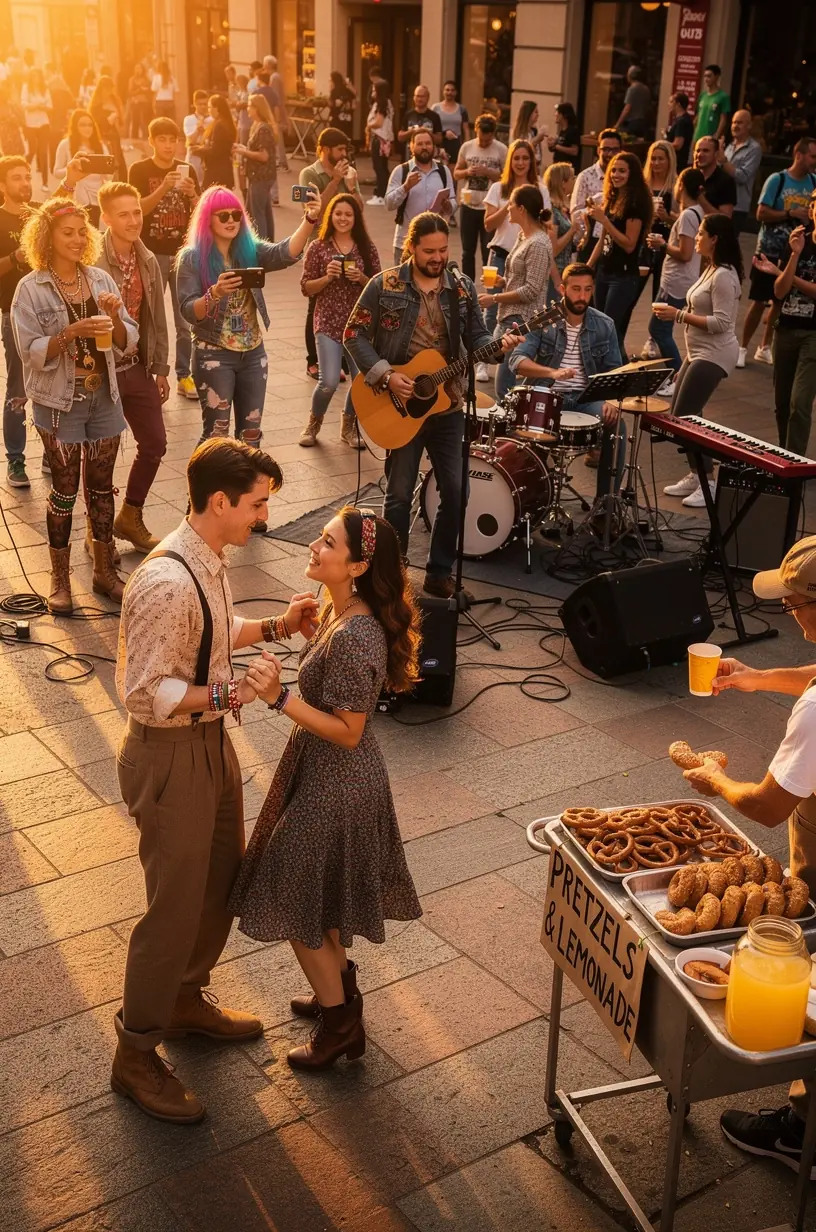
- Take Candid Shots: Capturing candid moments can convey the atmosphere of the event better than posed photographs. Many photographers find that natural interactions tell more compelling stories.
- Conduct Interviews: Engaging with participants can offer valuable insights. Consider asking people about their experiences and what the event means to them. Experts recommend asking open-ended questions to encourage more detailed responses.
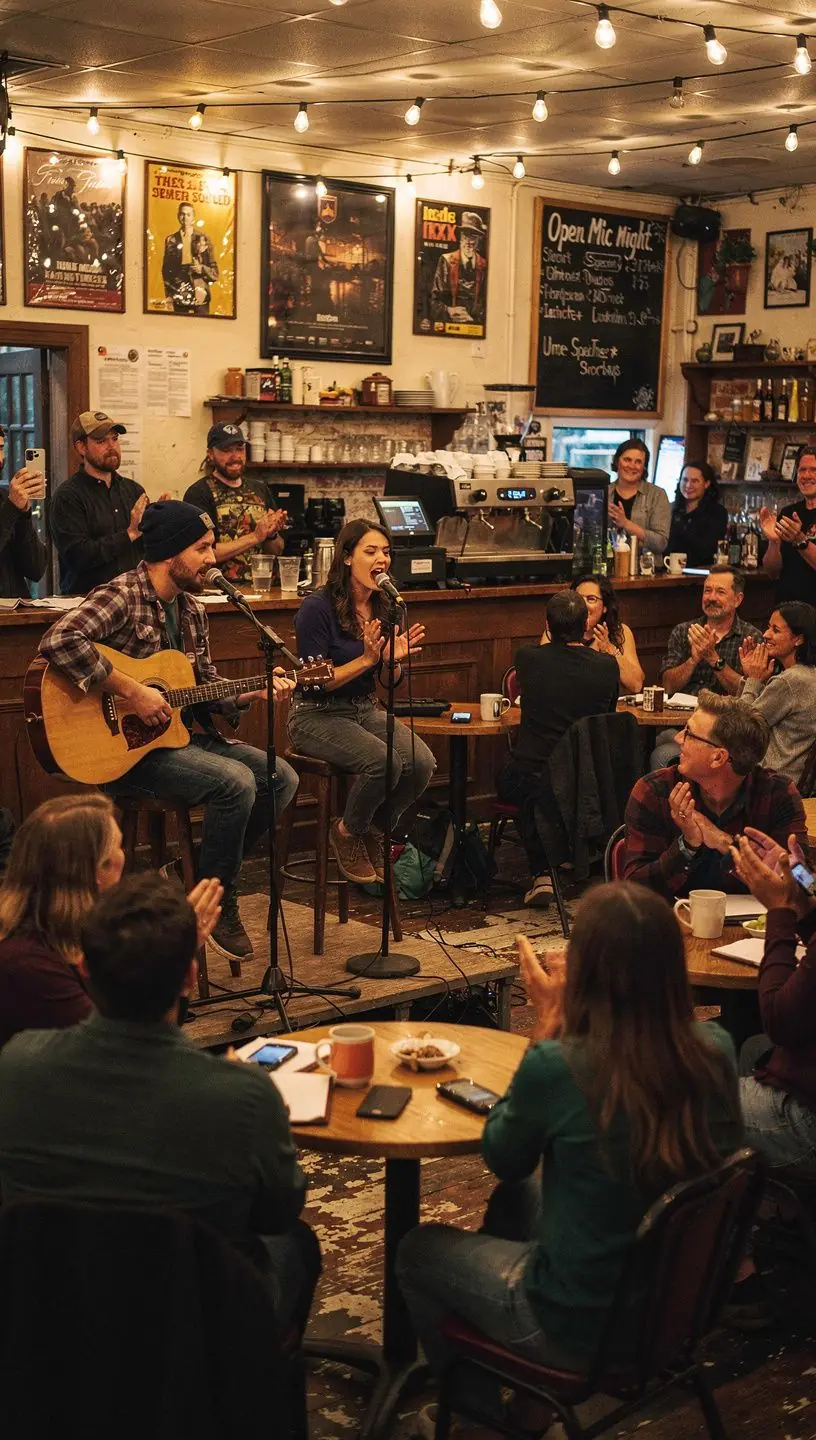
- Record the Sounds: Don’t forget to capture the sounds of the event—music, laughter, and conversations all contribute to the overall ambiance. Research has shown that sound recordings can evoke memories more vividly than pictures alone.
Post-Event Reflection and Sharing
After the event, it's important to reflect on your experiences and share your documentation. Consider these steps:
- Edit and Organize: Take the time to sift through your recordings and select the best pieces. Organizing your content can help streamline the sharing process.
- Share Responsibly: When sharing your work, be mindful of privacy concerns and seek permission from individuals if necessary. Many communities appreciate being consulted before their images or stories are shared publicly.
- Engage with the Community: Use social media or community forums to share your findings. Engaging with others can spark discussions and encourage further documentation efforts.
Conclusion
Documenting local cultural events is a rewarding endeavor that requires preparation, active participation, and thoughtful sharing. By following these tips, you can contribute to preserving your community's rich traditions while fostering connections with others. Remember, effective documentation is about more than just capturing moments; it’s about telling the stories that matter most to your community.