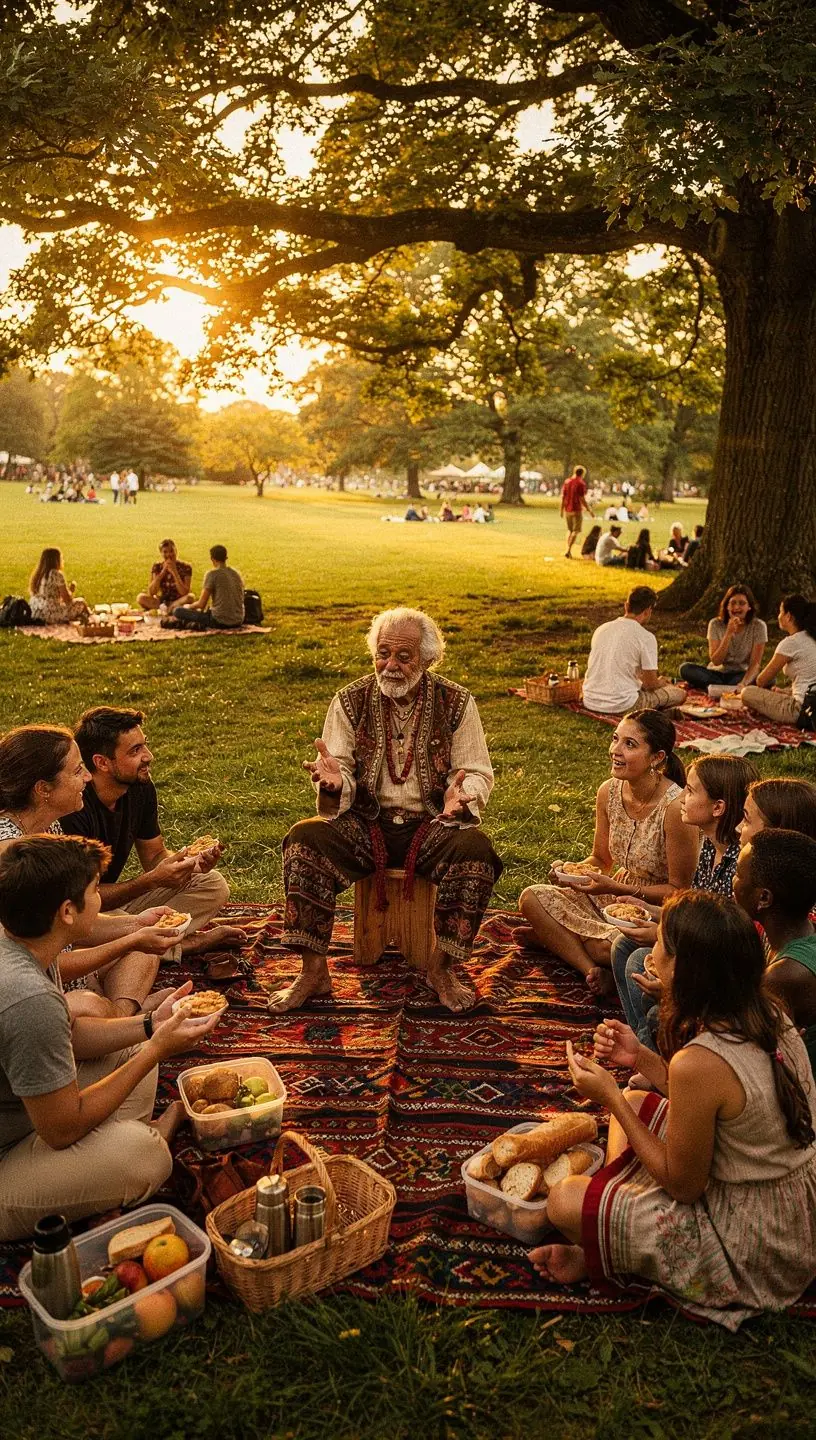
The Role of Community Clubs in Social Engagement
Community clubs have long served as vital hubs for social interaction, cultural expression, and civic engagement in local neighborhoods across the United States. In this article, we will explore the significance of these clubs and how they foster a sense of belonging while enhancing community ties.
Understanding the Basics
Community clubs typically provide a space for individuals to come together around shared interests, whether that’s through sports, arts, or cultural appreciation. According to a study by the National Endowment for the Arts, community involvement in clubs can lead to increased social cohesion, which is crucial for fostering a supportive environment.

"Research indicates that participation in community activities can improve personal well-being and enhance social networks."
Benefits of Community Clubs
Joining or participating in community clubs can offer numerous benefits, including:
- Social Interaction: Many users report feeling less isolated and more connected to their communities.
- Skill Development: Clubs often provide opportunities to learn new skills, from leadership to teamwork. Experts recommend that participating in such activities can enhance both personal and professional skills.
- Cultural Exchange: Many clubs celebrate diverse heritages and traditions, fostering a greater understanding among community members.
How Community Clubs Foster Engagement
Community clubs typically operate on a volunteer basis, which can enhance local engagement. The principle behind this model is that when individuals actively participate, they are more likely to feel a sense of responsibility towards their environment and peers. For instance, a study published in the Journal of Community Psychology found that communities with active clubs often experience lower crime rates and higher civic participation.
Moreover, these clubs often host events and activities that encourage participation from a broad demographic, creating an inclusive atmosphere. Activities may include:
- Workshops and classes that allow members to share skills and knowledge.
- Social events that promote interaction among diverse groups.
- Volunteer opportunities that connect members with local service projects.
Acknowledging Limitations
While community clubs can be beneficial, it’s important to acknowledge that involvement may require a time commitment. Typically, attending regular meetings or events may take several hours each week. Additionally, some individuals may find it challenging to engage due to prior commitments or social anxiety. Recognizing these limitations can help clubs tailor their offerings to meet the needs of a broader audience.
Conclusion
In summary, community clubs play a pivotal role in enhancing social engagement, promoting cultural exchange, and fostering a sense of belonging among residents. By providing structured opportunities for interaction and involvement, these clubs can help build stronger, more resilient communities. Interested individuals are encouraged to explore local clubs and discover how they can contribute to their community, bearing in mind the typical time and effort required to maximize their experience.