How Local Artisans Preserve Cultural Heritage
In the United States, local artisans play a vital role in preserving cultural heritage. Through traditional crafts, art forms, and community engagement, these individuals contribute significantly to the continuity of cultural practices.
Understanding the Importance of Local Artisans
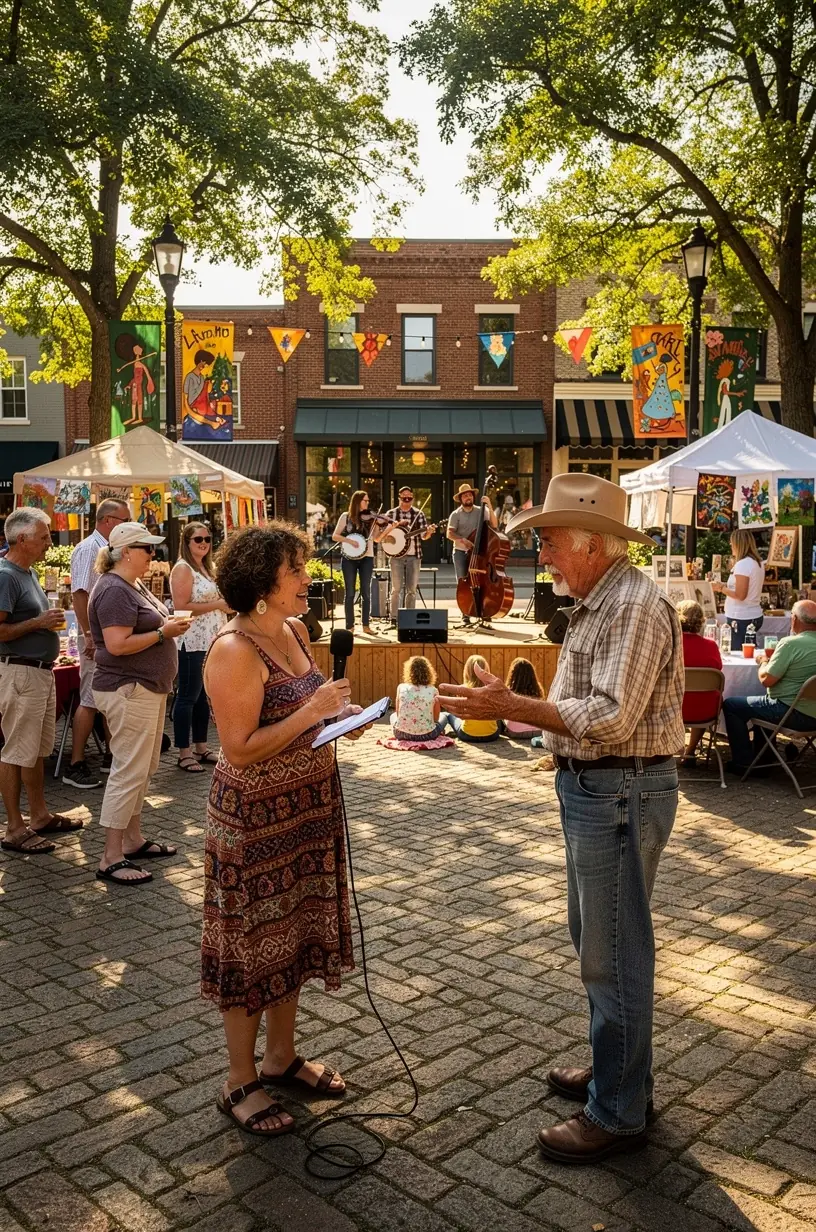
Local artisans often serve as the custodians of cultural heritage, embodying the traditions and practices passed down through generations. According to the National Endowment for the Arts, art and culture are essential for a vibrant community, fostering connections among residents and enhancing social cohesion. Many communities engage in local festivals and events that highlight these crafts, creating opportunities for artisans to showcase their work.
"Cultural heritage is not just about preserving the past; it's about shaping the future through artistic expression." - Cultural Studies Expert
How Artisans Contribute to Cultural Preservation
Local artisans utilize a variety of methods to preserve cultural heritage:
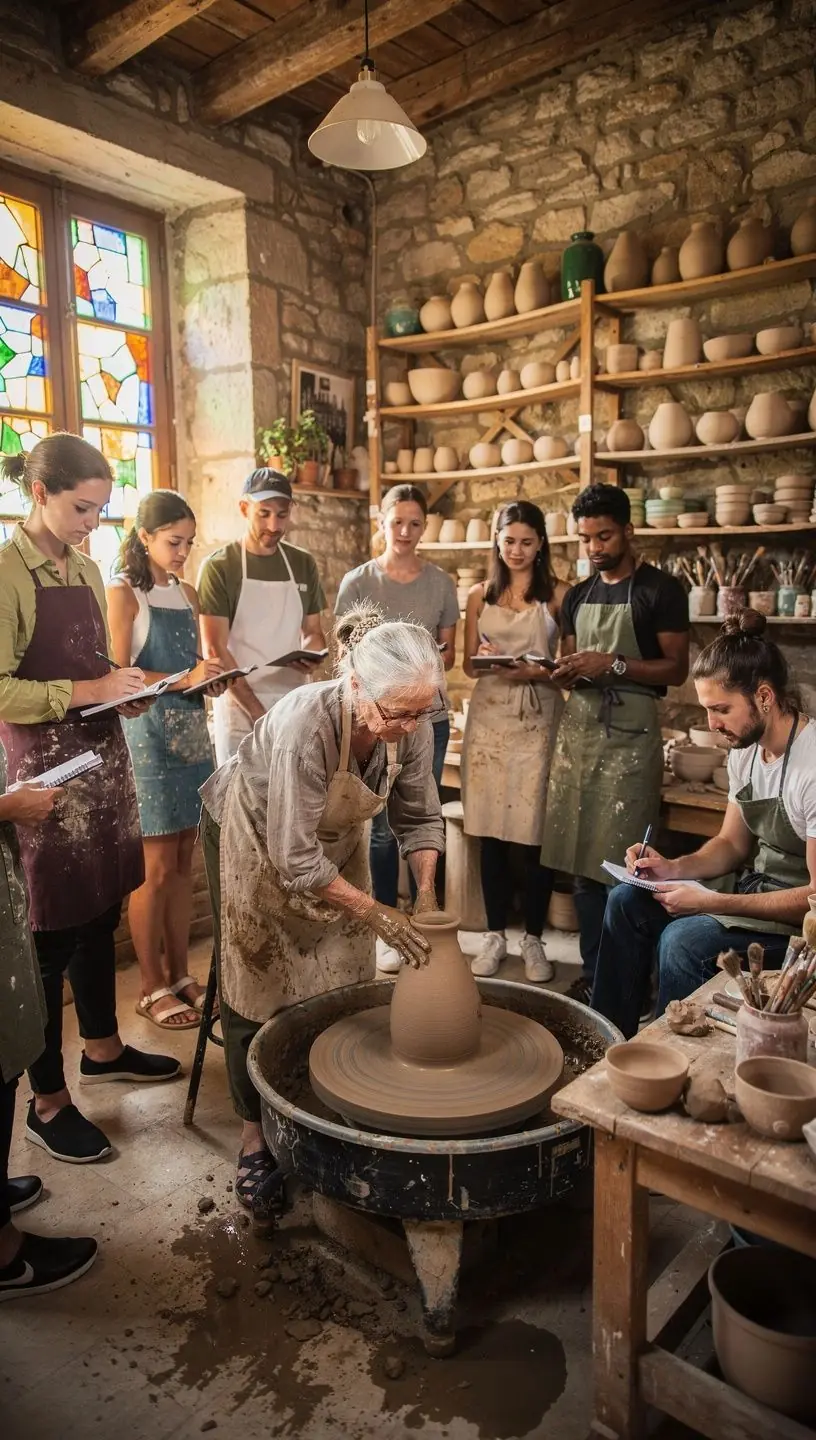
- Traditional Craftsmanship: Many artisans use techniques that have been practiced for centuries, often relying on skills learned through family lineage. This transfer of knowledge is crucial for maintaining authenticity.
- Community Engagement: Artisans often collaborate with local organizations and schools to teach their crafts, fostering appreciation and understanding among younger generations.
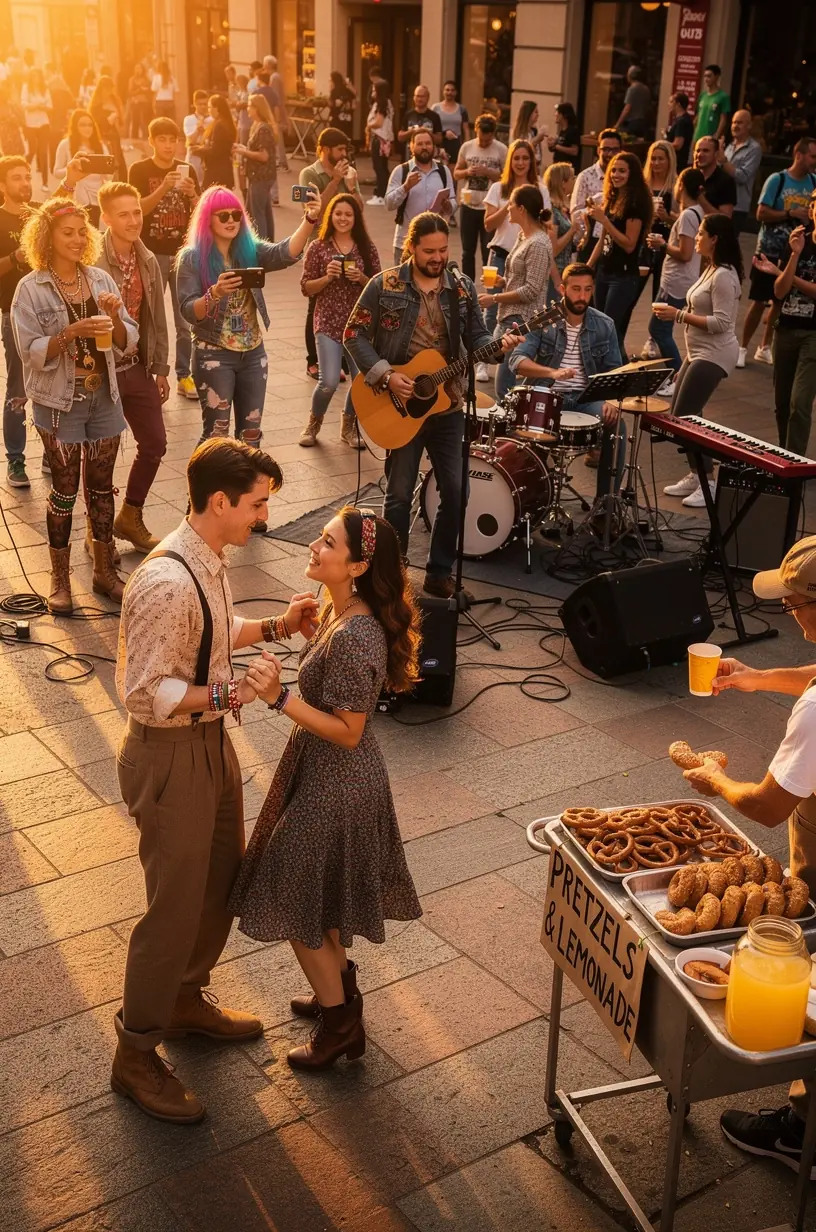
- Festivals and Gatherings: Events such as craft fairs or cultural festivals provide platforms for artisans to display their work, allowing them to connect with the community and educate others about their craft.
The Challenges Faced by Local Artisans
While the work of local artisans is invaluable, there are notable challenges:
- Market Viability: Many artisans struggle to find sustainable markets for their products, as handmade items are often more expensive than mass-produced alternatives. This situation can limit their ability to continue their crafts.
- Time Commitments: Crafting traditional items can be time-intensive, often requiring weeks of dedication. This can be a barrier, especially for younger artisans balancing other responsibilities.
- Changing Consumer Preferences: As trends shift, some artisans may find it challenging to keep their crafts relevant in a market that often favors faster, cheaper options.
Supporting Local Artisans for a Sustainable Future
Supporting local artisans is essential for the sustainability of cultural heritage. Here are some ways to contribute:
- Attend Local Events: Participating in community festivals and markets helps to ensure artisans have a platform to showcase and sell their work.
- Promote Awareness: Sharing information about local artisans and their crafts through social media or community boards can help raise their profiles.
- Artisan Education: Engage with artisans through workshops or classes to learn more about their crafts and the importance of cultural preservation.
Conclusion
Local artisans are pivotal in preserving cultural heritage through their crafts and community involvement. While they face numerous challenges, the support of community members can make a significant difference. By attending local events and promoting awareness, individuals can help ensure that the traditions and skills of these artisans continue to thrive for future generations.
Learn More