The Influence of Immigrant Cultures on Local Traditions
In the diverse landscape of the United States, immigrant cultures have played a pivotal role in shaping local traditions. This article explores how various cultural influences contribute to communal events, music gatherings, and the identity of community clubs, while providing insight into the mechanisms behind these changes.
Understanding Cultural Integration
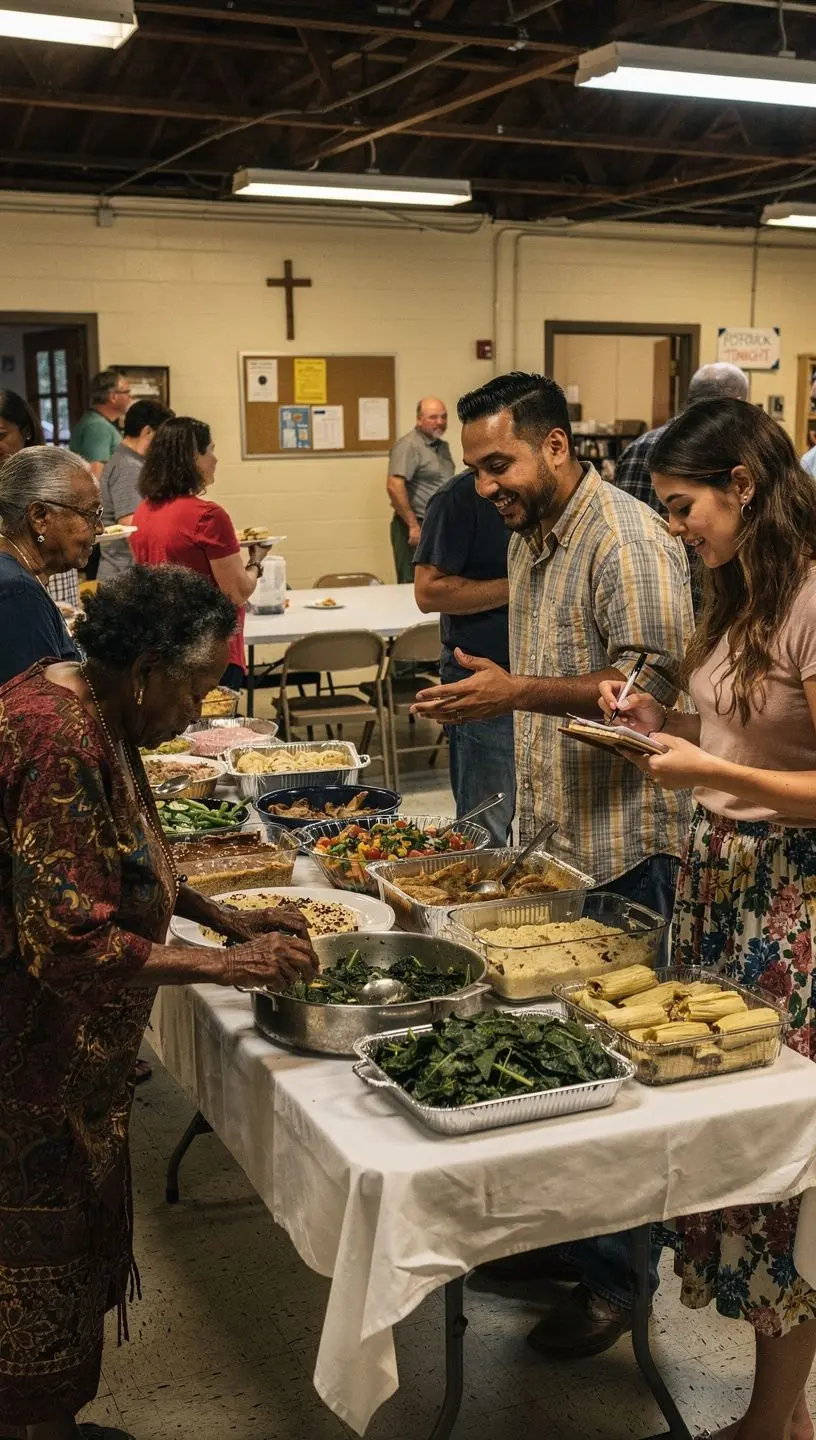
Immigrant communities often bring unique traditions and practices that can significantly influence local culture. According to research from the Pew Research Center, nearly 20% of the U.S. population is foreign-born, suggesting that many communities are enriched by diverse cultural perspectives. This phenomenon is often seen during local festivals, where traditional foods, music, and dance from various cultures are showcased.
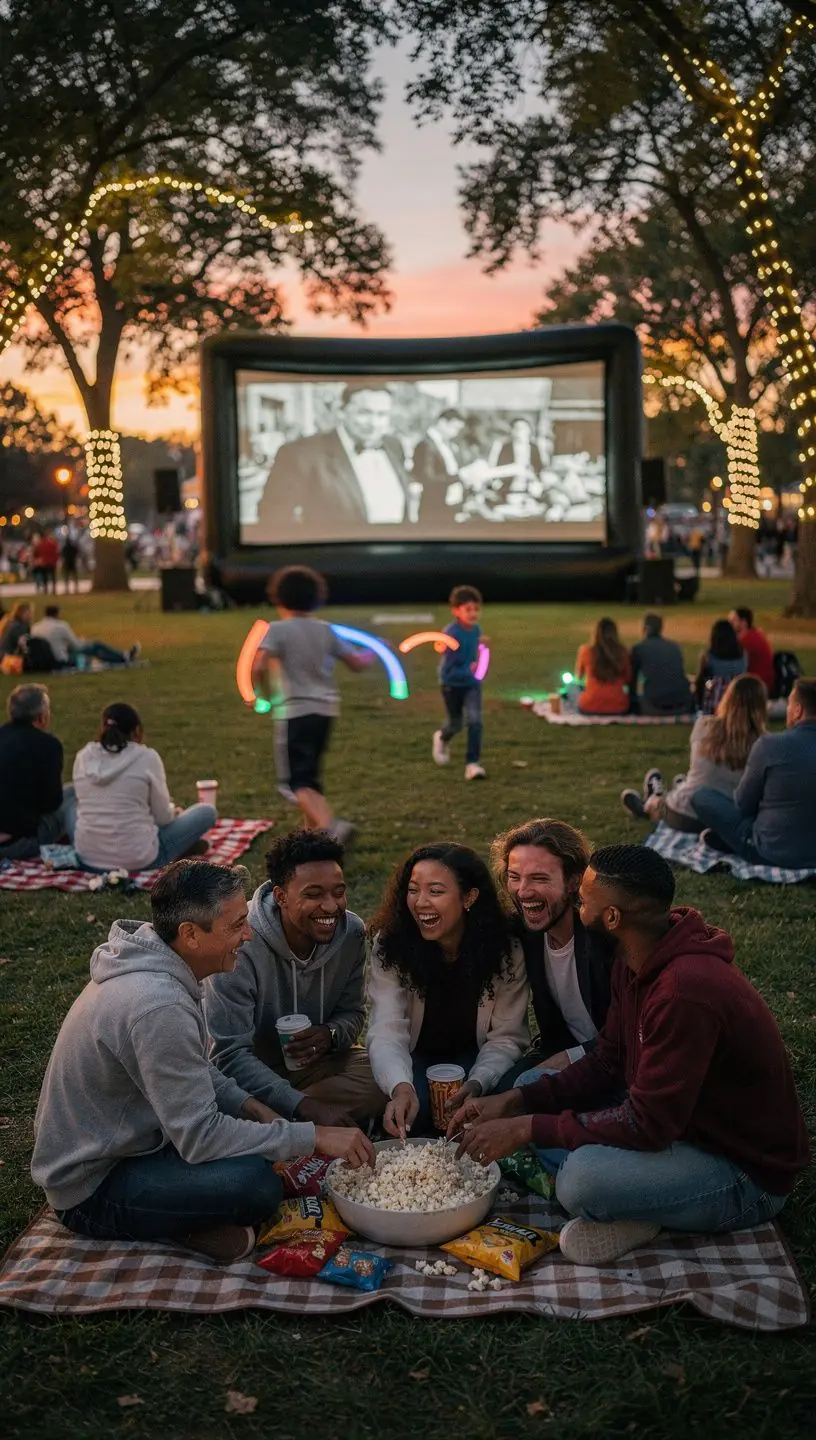
"Cultural exchange is vital for community development and cohesiveness, allowing for a richer collective experience."
Impact on Local Festivals and Traditions
Many local festivals have evolved to include elements from immigrant cultures, reflecting a blend of traditions that fosters inclusivity. For example, the annual Folk Festival in many cities showcases music and dances from immigrant groups, which not only entertains but educates attendees about different cultural heritages.
- Culinary Influence: Traditional dishes from immigrant cultures are often featured, allowing attendees to explore diverse flavors and cooking techniques.
- Artistic Expression: Music and dance forms from various cultures are increasingly integrated into community celebrations, providing an opportunity for cultural exchange.
- Community Engagement: Events that combine multiple cultural traditions often encourage participation from all community members, fostering a sense of belonging.
The Role of Community Clubs
Community clubs play an essential role in preserving and promoting cultural traditions. Many of these clubs provide a platform for immigrant groups to share their heritage while contributing to the wider community. Studies indicate that involvement in such clubs can lead to enhanced social connections and improved cultural understanding among residents.
Typically, these clubs organize events that celebrate cultural traditions, such as:
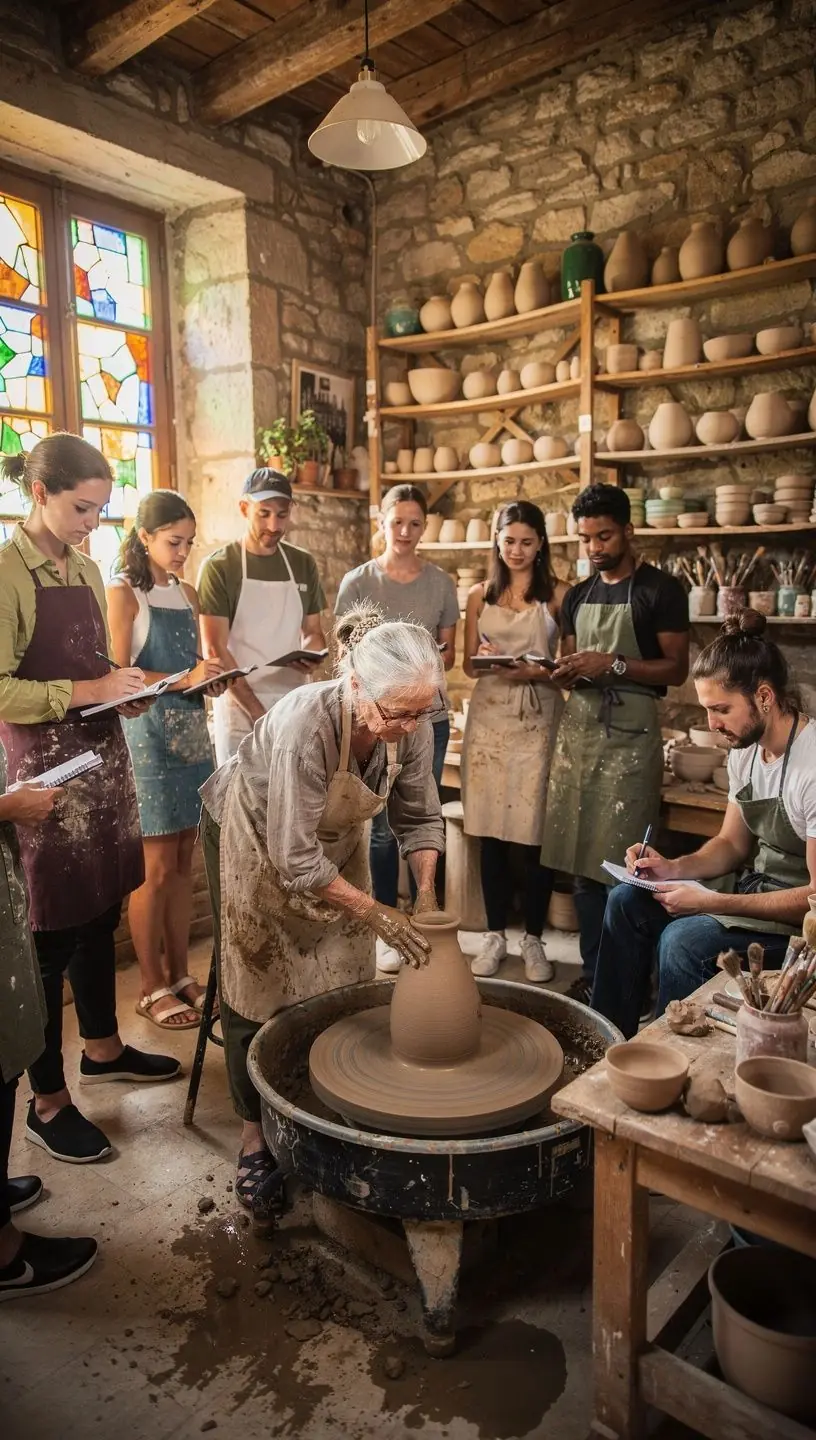
- Workshops: Cooking classes, dance lessons, and art workshops that highlight specific cultural practices.
- Social Gatherings: Monthly meet-ups that encourage dialogue and sharing of experiences among members from different backgrounds.
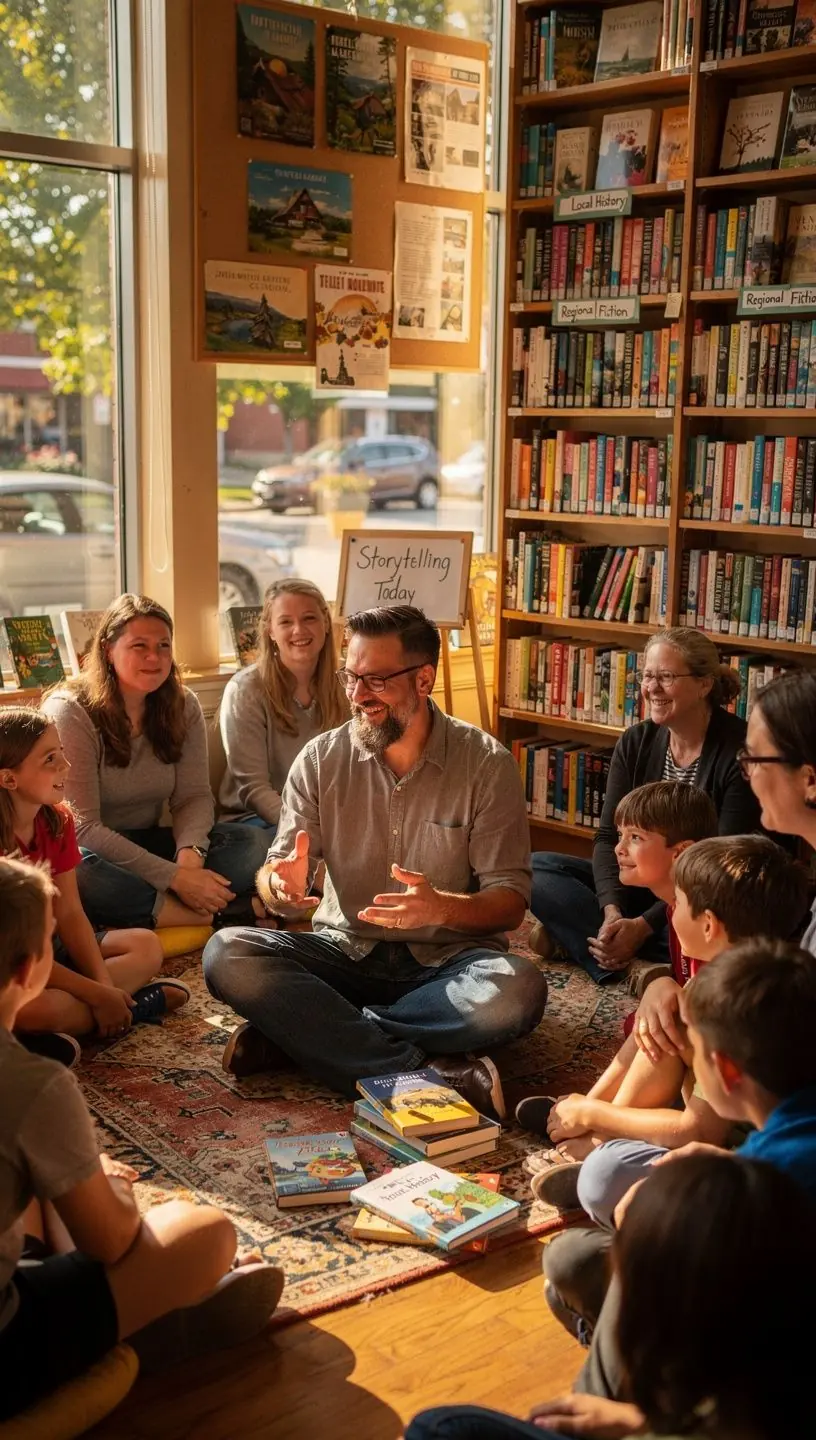
- Educational Programs: Initiatives that inform the community about the history and significance of various cultural customs.
Challenges and Considerations
While the influence of immigrant cultures on local traditions is often positive, there are challenges that communities may face. These include:
- Cultural Appropriation: A delicate balance must be maintained to respect the origins of cultural practices, ensuring they are shared appropriately.
- Integration Issues: Some members of the community may resist change, leading to tensions that require sensitive and constructive dialogue.
Conclusion
The intertwining of immigrant cultures with local traditions can enrich communities in profound ways. By understanding and valuing these influences, communities can foster inclusivity and cohesion. Experts suggest that embracing diversity not only enhances cultural awareness but also strengthens the social fabric of local areas. As communities continue to evolve, the contributions of immigrant cultures remain an essential part of that journey.
Learn More