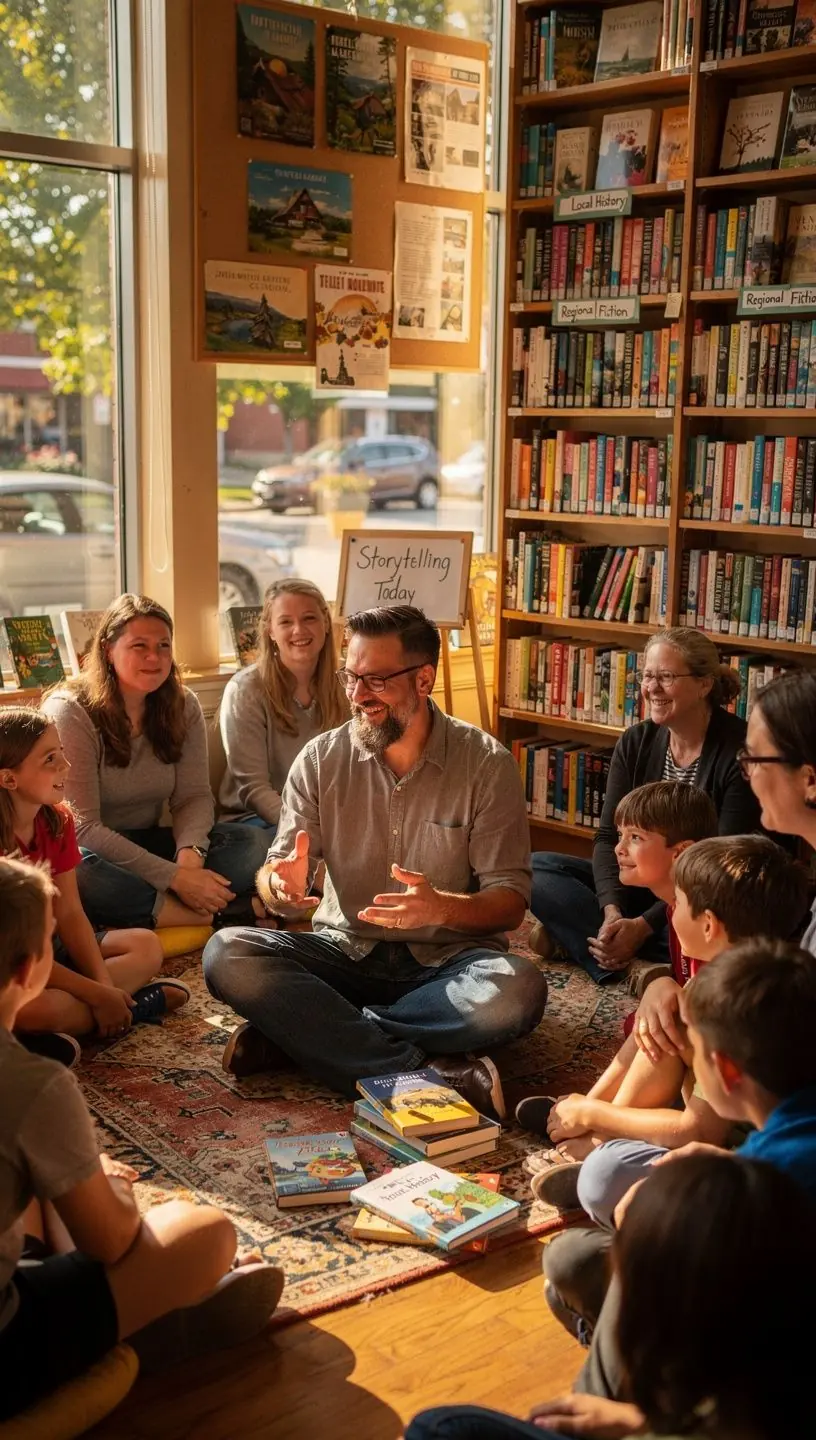
Exploring the Role of Storytelling in Local Cultures
Storytelling has been an integral part of human culture across generations, especially within local communities. This article delves into the significance of storytelling in preserving traditions, fostering community bonds, and shaping cultural identity.
The Importance of Storytelling
Storytelling serves as a means of communication that transcends time and space. According to research from the National Endowment for the Arts, storytelling can enhance cognitive development and emotional intelligence. This is particularly important in local cultures, where narratives often reflect shared experiences and values.
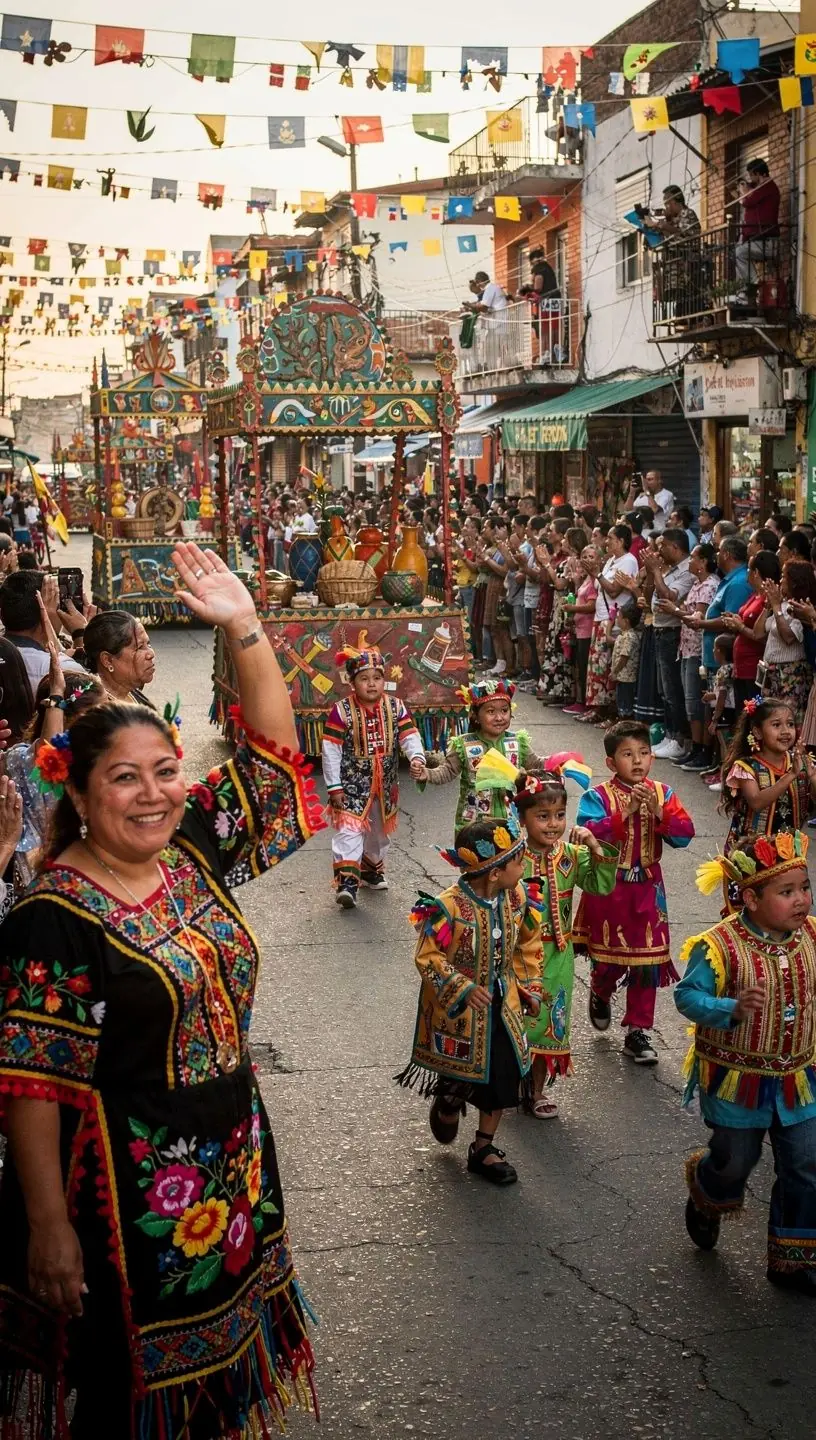
"Storytelling is not just about entertainment; it's a vital cultural practice that helps maintain traditions and community ties."
Preserving Traditions
In many local communities, storytelling plays a crucial role in preserving traditions. These narratives often encapsulate historical events, moral lessons, and cultural practices. For example, many Native American tribes use oral traditions to pass down knowledge and customs. Studies show that communities that actively engage in storytelling often see increased cultural pride and cohesion.
Mechanisms of Preservation
Storytelling aids in cultural preservation through:
- Oral Traditions: Engaging community members in storytelling sessions allows for the sharing of ancestral wisdom.
- Festivals and Gatherings: Events that highlight local stories can draw participation and reinforce cultural identity.
- Educational Initiatives: Schools incorporating local narratives in their curriculum can enhance students' connection to their heritage.
Fostering Community Bonds
Storytelling also functions as a tool for building community bonds. As individuals share their personal stories, they often find common ground with others, fostering empathy and understanding. Many users report that storytelling workshops have helped them connect with neighbors and strengthen community ties.
How Storytelling Builds Connections
This social practice can:
- Encourage Active Listening: Participants learn to appreciate different perspectives, enhancing community harmony.
- Create Safe Spaces: Storytelling circles often provide safe environments for sharing experiences, which can promote healing and trust.
- Enhance Cultural Exchange: Diverse storytelling events can introduce new narratives, fostering a richer community fabric.
Shaping Cultural Identity
Beyond cohesion and preservation, storytelling can significantly shape cultural identity. Through narratives, communities define themselves, their values, and their aspirations. According to cultural studies experts, storytelling often acts as a reflection of community identity, influencing how members see themselves and their place in the world.
The Role of Modern Media
In the digital age, storytelling has evolved, with social media platforms becoming new venues for sharing local narratives. This trend, however, comes with its challenges and opportunities. While digital storytelling can reach wider audiences, it may also dilute traditional narratives. Experts suggest that maintaining a balance between digital innovation and traditional practices is essential for cultural integrity.
Conclusion
Storytelling is a dynamic and multifaceted practice that plays a vital role in local cultures. By preserving traditions, fostering community bonds, and shaping cultural identities, storytelling helps to maintain the rich tapestry of human experience. Engaging in storytelling not only enriches individual lives but also strengthens the fabric of community life. As we move forward, it is essential to embrace both traditional and modern storytelling methods to ensure our local cultures thrive and evolve.