The Process of Organizing a Cultural Parade
Cultural parades are vibrant celebrations that bring communities together, showcasing their unique traditions and artistry. However, organizing such an event can be a complex process that requires careful planning and coordination. This article outlines the essential steps involved in organizing a successful cultural parade, providing insights into the methodologies that can help ensure a smooth experience.
Understanding the Basics
Organizing a cultural parade typically involves several key phases, including planning, promotion, and execution. According to experts in event management, a well-structured approach can significantly enhance the chances of a successful event. Typically, organizers should begin by establishing a clear vision and goals for the parade, which can guide all subsequent decisions.
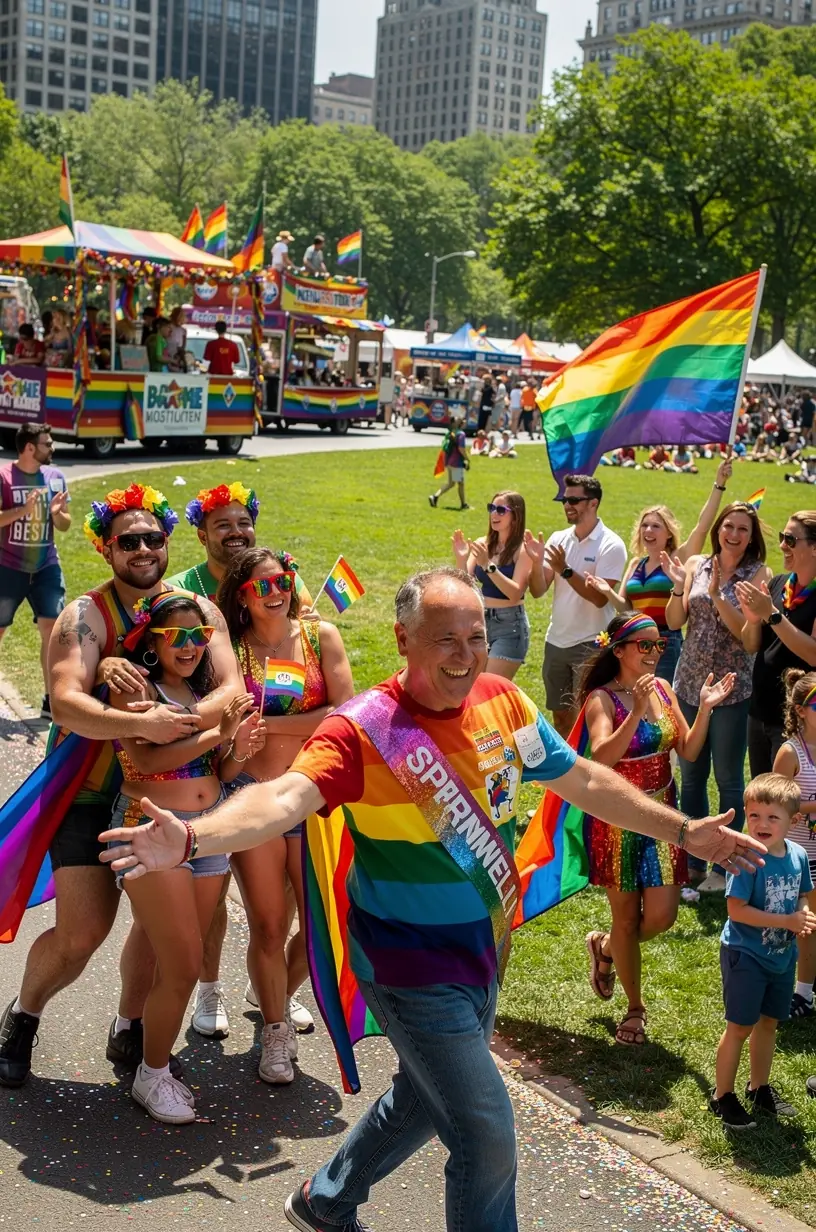
"A successful cultural parade not only entertains but also educates the community about its heritage and traditions." - Event Management Expert
Step-by-Step Process
- Form a Planning Committee: Gather a group of committed individuals who represent diverse community interests. This ensures that the parade reflects the community's values and traditions.
- Set a Budget: Creating a realistic budget is crucial. It typically includes costs for permits, decorations, transportation, and marketing. Research indicates that well-planned budgets can help avoid financial shortfalls.
- Choose a Date and Location: Select a date that does not conflict with other major events in the area. Experts recommend considering seasonal weather conditions to ensure a pleasant experience for participants and attendees.
- Obtain Permits: Securing necessary permits is a legal requirement. Depending on the location, this process can take several weeks, so it’s advisable to start early.
- Engage Participants: Reach out to local groups, schools, and businesses to encourage participation. Many users report that personal invitations tend to yield higher engagement.
- Promote the Parade: Use a mix of traditional and digital marketing strategies to spread the word. According to studies, community engagement is often enhanced by social media announcements and local press coverage.
- Execute the Event: On the day of the parade, ensure that all logistical details are in place. Assign roles to volunteers to facilitate smooth operations. This stage often requires quick problem-solving skills to address any unforeseen issues.
Challenges to Anticipate
While organizing a cultural parade can be rewarding, it also comes with its challenges. For instance, obtaining permits can sometimes be time-consuming, and weather conditions can be unpredictable. It is essential to have contingency plans in place. Experts recommend setting aside a portion of the budget for unexpected expenses, as many events face unforeseen challenges.
Conclusion
Organizing a cultural parade is a multifaceted process that can foster community spirit and promote cultural heritage. By following a structured approach and acknowledging the potential challenges along the way, organizers can enhance the likelihood of a successful event. While every parade is unique, the fundamental principles of planning, communication, and community engagement remain constant. With careful preparation, a cultural parade can become a cherished tradition that brings people together and showcases the richness of local culture.